Everything looks fine at first glance.
They get to work on time. They meet their deadlines. They take care of their family. They might even be the most trustworthy person in the room. But behind that polished surface, something may be slowly falling apart: high-functioning addiction.
The problem often goes unnoticed by both the person and others because life still “works.” This is why being addicted to success can be very dangerous. It hides in plain sight.
It can be challenging to spot high-functioning addiction and know how to help someone who might be having trouble but isn’t showing it.
What Does It Mean To Have A High-Functioning Addiction?
People who are high-functioning addicts meet many of society’s expectations, such as having a job, relationships, and responsibilities. [1] However, they still abuse drugs or alcohol.
These people may not look like the typical addict. They may:
- Maintain steady employment
- Appear socially engaged
- Avoid legal trouble
- Keep up family obligations
Addiction is not just about outward chaos, according to the Substance Abuse and Mental Health Services Administration and other groups. It is characterised by the compulsive consumption of substances despite adverse consequences, even when such consequences are subtle, gradual, or obscured.
The Psychology of Addiction That Works Well
Many high-functioning people are intelligent, disciplined, and highly driven. These traits can help hide the effects of drug use for a short time. [2]
They may:
- Schedule drug use around their duties.
- Use coping strategies that boost performance, like caffeine or over-working.
- Say that drinking or using drugs is a way to “relieve stress.”
In some cases, their structure and ambition delay obvious consequences, but they don’t get rid of the addiction itself.
Fear, Shame, And Stigma Make People Secretive
Fear is one reason why high-functioning addicts try to hide their drug use.
Fear of:
- Losing professional credibility
- Harming family ties
- Being called “an addict”
- Facing consequences at work
The more someone has built up their reputation, career, and status, the more they feel they have to lose. This makes people more secretive and alone.
What Addiction Denial Does
People who are high-functioning are especially good at denying their addiction.
Some common thoughts are:
- “I can’t be addicted because I have a good job.”
- “I’ve never been late for work.”
- “Other people are a lot worse.”
- “I’ll cut back when things settle down.”
In their minds, success proves that there is no problem. This internal logic can last for a long time.
Studies indicate that denial and minimisation are prevalent psychological defences in substance use disorders. High performance often makes those defences stronger.
Warning Signs Families Often Miss
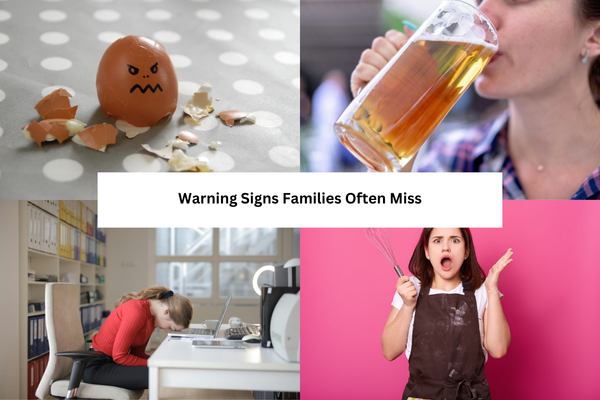
Warning signs are often subtle and inconsistent because the person seems stable.
Emotional Shifts
- More irritability or impatience
- More defensive about using drugs or alcohol
- Mood swings that don’t seem to fit
- Emotional detachment or seclusion
The person may seem “on edge” when they are sober, but they may be more relaxed after using.
Behavioral Patterns
- Drinking or using by oneself
- Strict rules about when and how drugs and alcohol are used
- Reasons why alcohol or drugs are “necessary”
- Hiding bottles and deleting messages are examples of secretive behaviour.
A lot of families don’t see these signs because there aren’t any big problems, just small changes that build up over time.
Physical or Cognitive Clues
- Memory problems every now and then
- Sleep patterns that aren’t consistent
- Tiredness for no reason
- Health problems that happen every now and then
Many often interpret these signs as a result of stress or too much work because they come and go.
Why People Who Are High-Functioning Don’t Seek Help
It can be hard to help someone with a high-functioning addiction because they really think they have things under control.
Fear of Losing Job or Status
Professionals might be worried about:
- Consequences for professional licensing
- Workplace rumours
- Income loss
- Damage to credibility
The more status someone has, the more afraid they tend to be.
How to Help Someone with Kindness and Effectiveness
Be careful when approaching someone you believe is going through high-functioning addiction.
Confrontation does not work most of the time. But a compassionate and kind approach can do wonders.does.
Start A Conversation That Isn’t Confrontational
Instead of blaming, pay attention to what you see.
Try:
- “I’ve noticed that you’ve been more stressed lately.”
- “I care about you and just wanted to see how you were doing.”
- “I’ve noticed some changes, and I’m curious about how you’re doing.”
Avoid:
- Labels: “You have an addiction.”
- Ultimatums (unless there is a danger to safety)
- Conflicts in public
The goal is to have a conversation, not a fight.
Set Limits Without Making Things Worse
Being there for someone doesn’t mean keeping them from facing the consequences.
Some examples of healthy boundaries are:
- Not making excuses for missed duties
- Not giving money that could be used to buy drugs
- Not making heavy drinking at parties normal
Boundaries are good for you and them.
Encourage Professional Support
Professional help is often necessary because high-functioning addiction is complicated.
Encourage:
- A confidential private medical checkup
- Talking to a therapist who works with people who use drugs
- Dialling a private help line
Even suggesting a neutral “check-in” with a professional can help people be less defensive.
Be Present While Respecting Autonomy
You cannot force someone to recover unless there is an immediate threat.
What you can do:
- Stay consistent
- Avoid shaming
- Reinforce that help is available
- Continue expressing concern calmly
Change often happens gradually, especially when denial is involved.
Final Takeaway
It can be difficult to identify high-functioning addiction because it hides in plain sight behind competence, success, and routine. For years, outward stability can hide inward dependence. But functioning is not the same as doing well.
Trust your gut if you observe any of the subtle warning signs, such as emotional changes, strict patterns, or secrecy. Be empathetic rather than accusatory. Establish limits without giving in. Promote expert assistance.
Denial about addiction can be strong, particularly when it is bolstered by achievement. However, compassionate support and early awareness can have a transformative effect.
References
| ↑1 | Glauser W. “High-functioning addicts“: intervening before trouble hits. CMAJ. 2014 Jan 7;186(1):19. doi: 10.1503/cmaj.109-4667. Epub 2013 Dec 2. PMID: 24295863. |
|---|---|
| ↑2 | Rogers SM, Pinedo M, Villatoro AP, Zemore SE. “I Don’t Feel Like I Have a Problem Because I Can Still Go To Work and Function“: Problem Recognition Among Persons With Substance Use Disorders. Subst Use Misuse. 2019;54(13):2108-2116. doi: 10.1080/10826084.2019.1630441. Epub 2019 Jun 24. PMID: 31232135. |