
In every social gathering, celebration, and cultural tradition, it is quite common for alcohol to be a constant presence. However, when occasional drinking shifts to dependence, there can be severe long-term consequences.
Alcohol abuse can affect both your physical and mental health. It can impact relationships, work, finances, and the well-being of people around you. Furthermore, the ripple effect can also be wide, painful, and long-lasting.
In this article, we will look at the many ways that alcohol abuse can cause harmful effects in your life and the lives of people who are close to you. We will guide you towards seeking help, whether through a trusted alcohol addiction helpline, a healthcare provider, or a support program.
Understanding Alcohol Abuse
When there is a pattern of excessive and persistent alcohol consumption, this is called alcohol abuse. It can eventually lead to significant distress or impairment in both mental and physical well-being. This may include [1]:
- Drinking more or longer than intended
- Difficulty cutting down
- Constant cravings that are difficult to control
- Continuing to drink despite problems in relationships, work, or health
- Risk-taking behaviours such as drunk driving
- Withdrawal symptoms during periods of abstinence
If left unchecked, alcohol abuse may also progress to alcohol addiction. This is also called Alcohol Use Disorder (AUD), which is a chronic medical condition that affects millions of people worldwide. It is a serious health condition that requires a lot of understanding, support, and proper management.
How Alcohol Damages Your Health
Consuming alcohol for a prolonged duration can have a serious toll on nearly every organ system. [efn_note]Schmidt, Wolfgang. “Effects of alcohol consumption on health.” Journal of Public Health Policy 1.1 (1980): 25-40.[efn_note] This includes:
Liver Damage
Alcohol is primarily metabolised by the liver. Therefore, excess consumption can damage the liver and lead to:
- Fatty liver
- Alcoholic hepatitis
- Liver Cirrhosis
- Increased risk of liver cancer
All of these conditions can be life-threatening. They often progress silently until there is significant damage.
Cardiovascular Problems
Heavy alcohol consumption can also impact cardiovascular health by contributing to or leading to:
- High blood pressure
- Arrhythmias
- Cardiomyopathy
- Increased risk of stroke
Gastrointestinal and Immune System Damage
Alcohol can also weaken the immune system, disrupt digestion, and increase the risk of pancreatitis as well as certain gastrointestinal cancers.
Neurological and Cognitive Impact
The brain’s structure and function can both be impacted by long-term alcohol addiction. This can lead to:
- Memory loss
- Poor concentration
- Mood disorders
- Sleep disturbances
- Risk of Wernicke-Korsakoff syndrome (“alcohol-related dementia”)
Mental Health Conditions
In people with pre-existing mental health conditions, alcohol consumption can both worsen and mask symptoms of:
- Depression
- Anxiety
- Trauma-related disorders
- Suicidal ideation
For many people, drinking alcohol can become a coping tool. However, this can ultimately intensify the very problems that it aims to suppress.
The Emotional and Interpersonal Costs of Alcohol Abuse
Besides the negative impact of alcohol abuse on physical health, the damage caused by alcohol abuse can also extend to the person’s emotional health. One of the most painful and least discussed consequences is the toll that alcohol abuse can take on relationships.
Family Strain and Conflict
It can be equally or more difficult for the family and friends of people struggling with alcohol addiction. This can often lead to:
- Frequent arguments
- Broken promises
- Unpredictable moods
- Emotional withdrawal
- Loss of trust
It may also feel like they are walking on eggshells. Children of alcohol abusers may also experience confusion, anxiety, or fear from their own parents.
Parenting Challenges
Some essential healthy parenting qualities, such as judgment, emotional regulation, and consistency, may all be impaired by alcohol abuse. In such environments, children may face:
- Emotional neglect
- Increased household instability
- Higher risk of developing substance use issues later
Social Isolation
When alcohol consumption becomes a priority over friendships, hobbies, and social activities, people tend to withdraw from society. This may occur out of shame, guilt, or a fear of judgment.
Domestic Problems
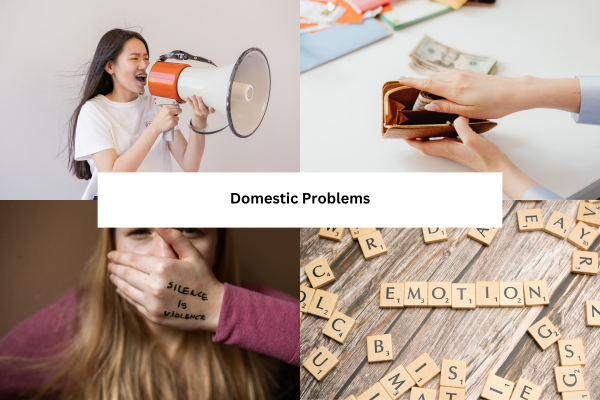
Misuse of alcohol is often associated with a higher risk of:
- Verbal fights
- Financial strain
- Emotional volatility
- In severe cases, domestic violence
While there is a risk of domestic violence, this may not occur in every household. However, the risk may increase significantly, especially when alcohol is involved.
Professional, Academic, and Financial Consequences
Work Performance Decline
Many people also find that their work performance is not quite what it used to be. This happens because alcohol abuse can impair productivity, focus, and reliability. Some common tendencies in alcohol abusers include:
- Missed deadlines
- Calling in sick
- Underperformance
- Workplace accidents
- Job loss
Even people who were previously high-functioning eventually hit a point where alcohol begins to erode their stability.
Academic Struggles
When alcohol abuse occurs in students, it can disrupt their study habits, memory, executive functioning, and academic performance.
Financial Strain
An overlooked aspect of alcohol abuse is its economic impact. The financial strain may occur secondary to:
- A habit of spending significant money on alcohol
- High medical bills
- Legal costs for reckless behaviours such as DUIs
- Job instability or unemployment
Over time, these costs can accumulate, leading to long-term financial instability.
How Alcohol Abuse Impacts Those Around You
Like a ripple effect, alcohol abuse can impact every person around the affected individual. The consequences of alcohol abuse can affect:
- Relationships
- Parenting
- Community safety
- Workplace environments
Seeking Help: You Do Not Have to Do This Alone
Many people refrain from seeking help because they are worried about stigma and fear judgment. But the fact is that seeking help is a sign of strength, and it is not a weakness. In fact, it is one of the most important steps that someone with alcohol addiction can take to rebuild their life.
Where to Start
Alcohol Addiction Helplines
There are many helplines available that offer confidential and non-judgmental support. Whether it is you or your loved one who requires it, a helpline can help you connect to:
- Treatment centers
- Crisis support
- Counseling services
- Detox programs
- Community resources
By calling an alcohol addiction helpline, you are accessing an immediate way to get support and understand your options.
Healthcare Providers
It is important to seek professional support from primary care physicians, psychiatrists, and psychologists. They can help assess your drinking patterns and recommend suitable treatment for you.
Rehabilitation Programs
Depending on the severity of alcohol abuse, some treatment options may include:
- Outpatient counseling
- Inpatient rehab
- Detoxification services
- Group therapy
- Cognitive Behavioral Therapy
- Medication-assisted treatment
Support Groups
Organizations such as AA (Alcoholics Anonymous), SMART Recovery, and family support groups (such as Al-Anon) can provide a sense of community. This can have a positive impact on long-term recovery.
Final Thoughts: Recovery Is Possible
Chronic alcohol abuse can have deep and far-reaching harm to your health, your relationships, your work, and also your sense of self. Regardless of how long you have struggled or how severe things feel now, you must remember that it is always possible to recover.
The first step to recovery is to acknowledge that you have a problem. The second equally important step is to reach out for help.
If you are struggling with alcohol abuse, you do not have to face it alone. Contact an alcohol addiction helpline or healthcare professional to start yourself on the path toward healing, rebuilding trust, and restoring the parts of your life that alcohol has taken away.
References
| ↑1 | O’Farrell, Timothy J., and William Fals‐Stewart. “Alcohol abuse.” Journal of Marital and family Therapy 29.1 (2003): 121-146. |
|---|