The United States has been rocked by the opioid crisis for many years. This crisis has been driven largely by synthetic opioids like fentanyl. Incidents of overdose have left devastating impacts on entire communities.
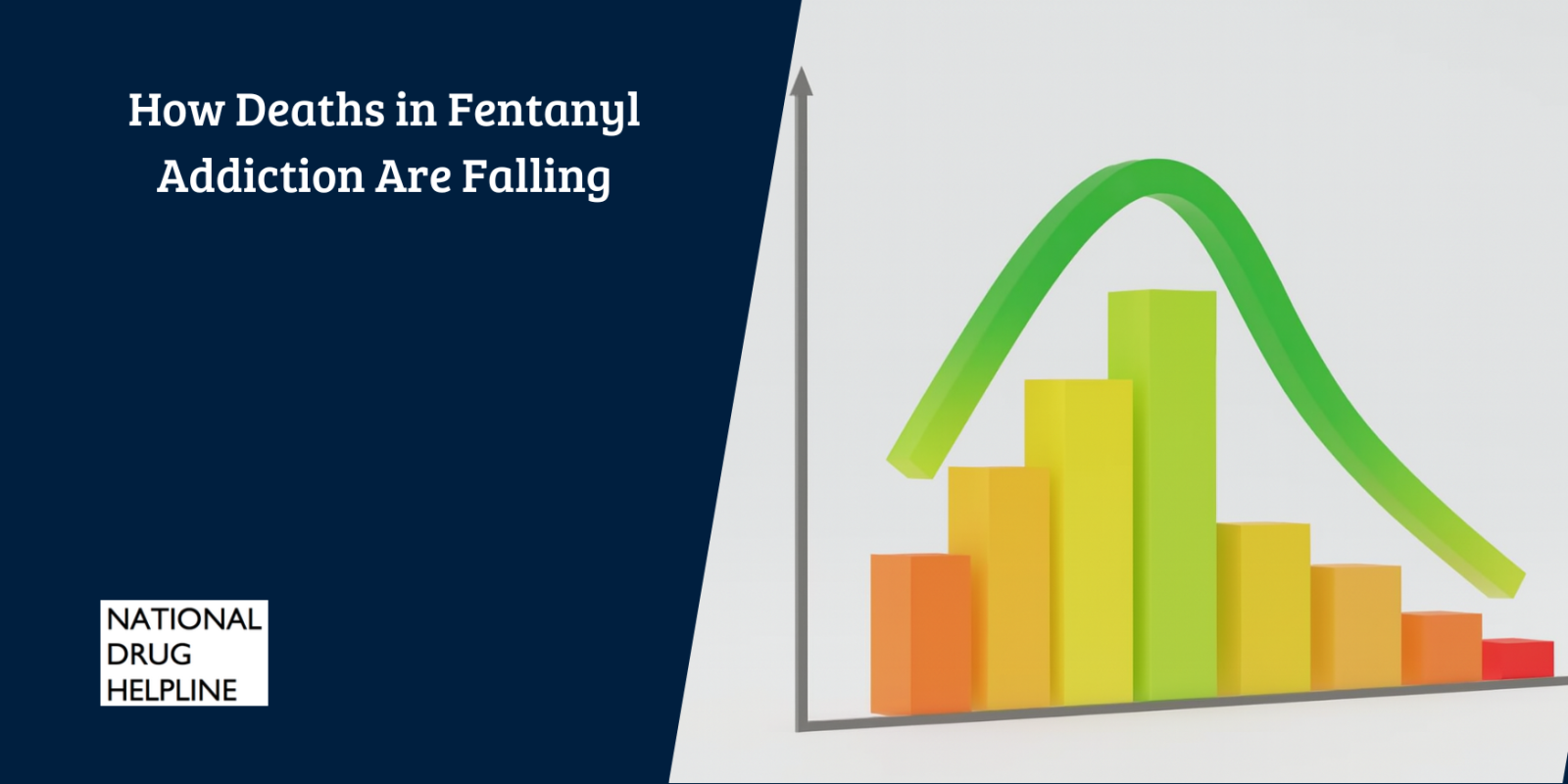
A striking trend has recently emerged. After years of rising fatalities secondary to fentanyl addiction, the number of overdose deaths, especially those tied to fentanyl addiction, have begun to fall. While this drop is not uniform across all populations or regions, it has offered a rare glimmer of hope.
What the Numbers Say
According to provisional data from Centers for Disease Control and Prevention (CDC), there has been a sharp drop in drug overdose deaths in 2024 in the United States. In total, there were about 80,000 overdose fatalities, which marked a 27% decrease compared to deaths in 2023. [1]
This is the largest drop ever recorded within a single year, as per the U.S. overdose statistics. This drop has been noted in all but two states, with only Nevada and South Dakota seeing small increases in overdose deaths. [2]
More specifically, deaths that involved synthetic opioids, with fentanyl being the most common saw an even sharper drop. Some reports have even indicated a decline in fatal overdoses from fentanyl across several states. [3]
Emergency medical data also align with the drop. The number of emergency room visits for overdoses also fell, and 911 calls for suspected overdoses have also decreased significantly. [4]
All these data signal a meaningful shift. After years of grim highs, 2025 may now mark a turning point in the opioid and fentanyl overdose crisis.
What Has Been Fueling the Drop
According to experts and public-health analysts, these drops may point to several intersecting factors. While there is no single cause that explains everything, together they suggest a broad and multi-pronged public-health response.
Wider Access to Reversal Drugs
One of the biggest contributors to diminished overdose-related death appears to be the increased availability of naloxone. Naloxone, also known popularly by its brand names such as Narcan, is a life-saving medication that can reverse opioid overdoses if it is given in time.
Since 2023, naloxone has become available over the counter in many places, meaning people no longer need a prescription to access it. First responders, community organizations, and even individuals are more likely to carry naloxone. This has increased the odds that an overdose can be reversed rather than leading to death. [5]
Besides naloxone, there has also been increased ease of access to addiction treatment, including medication-assisted treatment and counselling. Broader treatment options can significantly reduce the risk of fatal overdoses from fentanyl addiction.
Tools To Reduce Harm
Beyond naloxone, other efforts to reduce harm also seem to be working. For instance, the usage of paper test strips that detect fentanyl in illicit pills or powders has expanded. These strips can help people who use drugs avoid accidentally ingesting fentanyl-laced substances, which is a known driver of many overdoses.
Drug usage behavior has also been going through a shift. Some researchers have suggested that fentanyl mixtures may be less potent recently. Additionally, the users may also be changing how they consume it. For example, they may switch from injection to smoking.
Moreover, experts have also theorized a generational effect. Younger people may be less likely to start using fentanyl or other synthetic opioids. People who are at higher risk for opioid overdose may have already succumbed to it. As a result, the overall population that is at high risk may be shrinking.
Public Health Investments
Another important factor has been increased investment in public health. This has been partly fueled by billions in settlements paid by opioid manufacturers, distributors, and pharmacies.
Many states and localities have used settlement money to fund addiction treatment, support services, programs for harm reduction, supportive housing, and outreach efforts.
In many places, these investments have also helped expand access to care and prevention. This may be anywhere from treatment programs to naloxone distribution, outreach, and community support. According to public health experts, this financial backing has been especially fundamental in turning the tide.
Why the Decline Is Not Equal And Why the Crisis Is Still Not Over
While this downward trend is definitely a cause for hope, this improvement is neither universal nor irreversible. There are still some caveats that remain.
- Not all communities benefit equally: Some states still saw marginal increases in opioid addiction. Moreover, experts have also warned that historically marginalized populations, including racial minorities and economically vulnerable groups may not be seeing the same level of benefit from efforts to reduce overdose.
- Overdose deaths remain high: Despite the decline, tens of thousands of people still die from drug overdoses each year. In many states, overdoses remain among the leading causes of death in younger adults.
- Progress is fragile: Public health experts have advised caution that these recent declines could be reversed if funding for reducing harm, treatment, and prevention is cut or if enforcement drug policies approach replace public health strategies.
- Underlying causes still exist: Addiction is often rooted not just in drug supply or availability, but in deeper systemic issues such as poverty, lack of access to mental health care, social isolation, trauma, and inequality. These structural drivers still remain largely unaddressed.
Conclusion
In America, the story of fentanyl addiction has been one of anguish, loss, and tragedy. But this is not a story of the past. But for the first time in many years, it may finally be turning a corner. The recent decline in overdose deaths has offered hope that the downward slide can continue.
If you or someone you know is struggling with fentanyl addiction, then reach out for help as it could make all the difference.
References
| ↑1 | US overdose deaths fell 27% last year, the largest one-year decline ever seen. The Associated Press |
|---|---|
| ↑2 | US overdose deaths fell 27% in 2024 in largest one-year decline ever. The Guardian |
| ↑3 | U.S. fentanyl deaths have been plunging. Enter Trump. Reuters |
| ↑4 | Unprecedented’ decline in US drug overdose deaths gives experts hope. The Guardian |
| ↑5 | D.C. overdose deaths plummeted last year. Axios |