
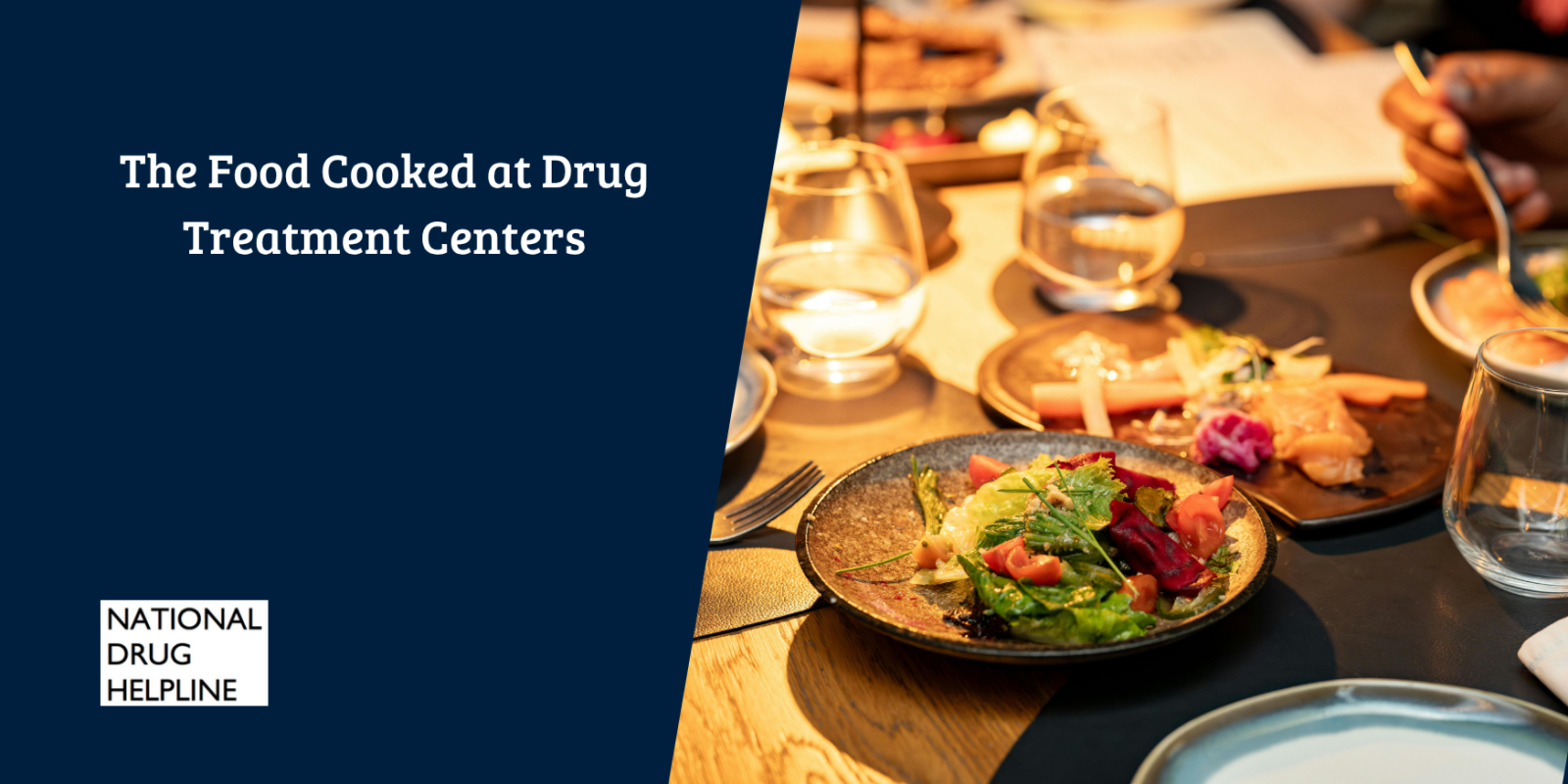
When people think about drug addiction treatment, they often focus on counseling, therapy, and medical support. These are all essential elements and play a vital role in recovery, but nutrition is another important aspect that is sometimes overlooked. Healthy, balanced meals can help support the body as it heals, by providing essential nutrients that may have been lacking during active substance use.
Food during drug addiction treatment is not usually about strict dieting or complicated meal plans. Although each treatment center is different, they generally focus on serving nourishing, well-balanced meals that promote overall health, energy, and well-being.
In this article, we take a look at how treatment centres generally help individuals establish healthier eating habits while supporting both physical and emotional recovery.
Nutrition Matters During Recovery
Substance use can affect the body in many ways and can have an impact on appetite, digestion, nutrient absorption, and overall health. Some individuals entering treatment may have experienced irregular eating patterns, skipped meals, or relied heavily on processed foods.
A review published in Drug and Alcohol Dependence found that people with substance use disorders often experience nutrient deficiencies[1] that can affect both physical and psychological health. They comment that improved nutrition may play a supportive role in recovery efforts.
Research has also highlighted the importance of proper nourishment during treatment[2] and recovery and explored how substance use can impact nutritional status and overall health. Because of these findings, many treatment programs incorporate healthy eating into their overall approach to wellness.
A Typical Breakfast
Breakfast is often viewed as an important meal in recovery settings because it provides energy for the day ahead and helps establish a consistent routine. Common breakfast options may include oatmeal or low sugar cereal, fresh fruit, yogurt and berries, wholegrain toast or pancakes, and scrambled or boiled eggs.
These foods provide a combination of protein, fiber, and carbohydrates that can help support steady energy levels throughout the morning. Drink options may include smoothies, fruit juice, water, milk, tea, and coffee in moderation.
Nutritious Lunch Options
Lunch served during drug addiction treatment often focuses on balance and variety. Meals typically include a source of lean protein, vegetables, whole grains, and healthy fats. This might include meals like grilled chicken with brown rice and vegetables, turkey sandwiches on whole-grain bread, and vegetable and bean-based soups with a wholemeal roll, for example.
These meals are designed to provide sustained energy while helping individuals meet their nutritional needs. Many facilities also aim to offer menu choices that accommodate different dietary preferences and restrictions whenever possible.
Hearty and Balanced Dinners
Dinner is often one of the most substantial meals of the day in residential treatment settings. Typical dinner options may include baked chicken or turkey, lean beef dishes, fish and seafood meals, or vegetarian pasta dishes. These will be served with a selection of steamed or stir-fried vegetables or salad, and a side of rice or potatoes. Condiments like pepper and sauces are likely to be available.
Comfort foods may also appear on menus, but they are often prepared in ways that emphasize balanced nutrition. The goal is generally to provide satisfying meals that support physical recovery while creating a sense of routine and stability.
Healthy Snacks Throughout the Day
Recovery can sometimes bring changes in appetite. Some individuals may experience increased hunger as their bodies begin to heal, while others may find their eating habits fluctuate. It can be helpful to have the option of healthy snacks during the day to support nutrition between meals.
Common snack options include fresh fruit, trail mix, yogurt, cheese sticks, and whole-grain crackers, nuts and seeds, vegetable sticks with hummus, and protein bars. These healthy snacks can help maintain energy levels and prevent long periods without food.
Hydration Is Essential
Staying hydrated is as equally important as good nutrition during recovery in supporting recovery and general wellness. Some individuals entering treatment may have experienced dehydration related to substance use, making hydration a key focus during the early stages of recovery. So many treatment centers encourage regular water intake throughout the day.
Special Dietary Needs and Preferences
Treatment centers generally recognize that individuals have unique dietary requirements. Depending on the facility, accommodations may be available for vegetarian, vegan and gluten-free diets, food allergies, religious dietary practices, and medical nutrition needs.
The exact options will vary from one center to another, but many programs strive to ensure that meals are both nutritious and accessible. When an individual with specific nutritional requirements is choosing a treatment centre, it is worth exploring what dietary requirements are catered to.
Building Healthy Habits for the Future
Another valuable aspect of focusing on nutrition during treatment is the opportunity to develop healthier habits that can continue after recovery. Reconnecting with, and learning life skills, can be an important step in recovery. Some programs provide education on topics such as meal planning, grocery shopping, and how to read nutrition labels.
They might also teach how to prepare balanced meals in healthy portion sizes, and healthy snack choices. These skills can help individuals feel more confident about maintaining a healthy lifestyle after treatment. When recovering from substance use disorders, individuals may benefit from improving overall dietary quality and addressing nutritional deficiencies as part of a broader recovery plan.
Final Word: What Food is Cooked at Drug Treatment Centers
It’s important to remember that food during addiction recovery is not about achieving a perfect diet but about nourishment, health, and well-being. And so the food cooked at drug treatment centers is typically designed to support recovery through balanced nutrition, regular meal schedules, and healthy eating habits.
While menus vary from one facility to another, most programs aim to provide meals that include lean proteins, whole grains, fruits, vegetables, and healthy snacks. As awareness of the relationship between nutrition and recovery continues to grow, many treatment programs recognize that healthy eating can be a valuable complement to therapy, medical care, and other recovery services.
References
| ↑1 | Jeynes KD, Gibson EL. The importance of nutrition in aiding recovery from substance use disorders: A review. Drug Alcohol Depend. 2017 Oct 1;179:229-239. doi: 10.1016/j.drugalcdep.2017.07.006. Epub 2017 Aug 4. PMID: 28806640. |
|---|---|
| ↑2 | Position of the American Dietetic Association: nutrition intervention in treatment and recovery from chemical dependency. J Am Diet Assoc. 1990 Sep;90(9):1274-7. PMID: 2168909. |