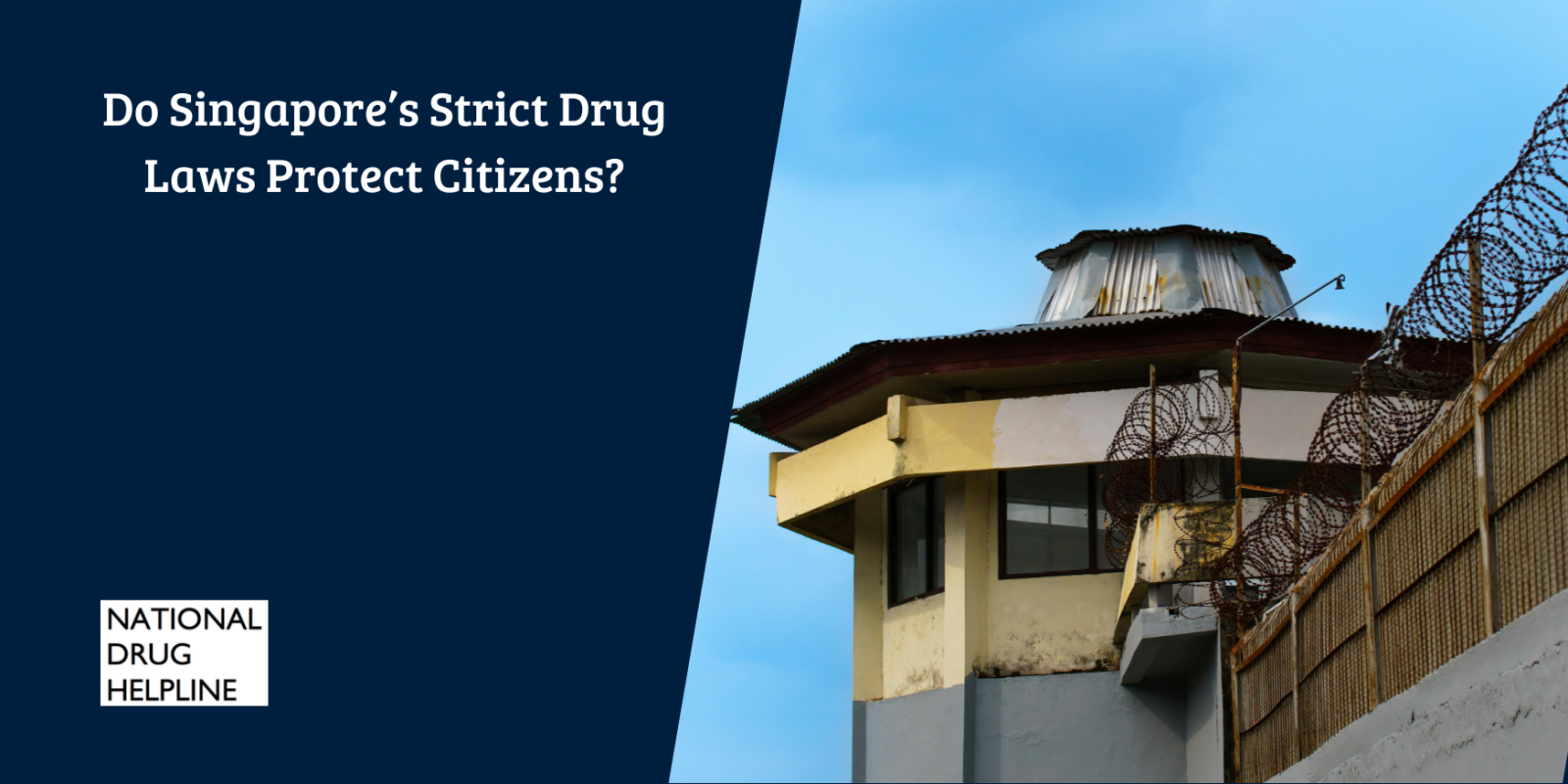
Globally, Singapore is known for its uncompromising stance on drugs. Its reputation has been shaped by strict enforcement laws, strong social order, and harsh penalties that include long prison terms, caning, and the mandatory death penalty for trafficking certain quantities of drugs.
For decades, the government has argued that maintaining tough drug laws is essential for public safety. Officials frequently credit these policies for keeping Singapore one of the least drug-affected societies in the world. Public messaging often frames drug use as an immediate threat to national stability[1], emphasising that even small cracks in enforcement could lead to severe social decline.
But this raises an important question: Do strict laws genuinely protect citizens, or do they create new risks and unintended harms?
This article examines Singapore’s approach from multiple angles, including enforcement, public health, social impact, and human rights.
Singapore’s Zero-Tolerance Policy
Singapore’s drug laws are built on a philosophy of deterrence, the belief that harsher penalties reduce both drug trafficking and drug use [2]. Under the Misuse of Drugs Act (MDA):
- Possession of small amounts can lead to years of imprisonment.
- Consumption is criminalized, even if it occurs overseas.
- Trafficking above certain thresholds carries a mandatory death sentence [3].
- Random urine testing and targeted enforcement operations are routine.
The government argues that such measures are necessary because Southeast Asia is a global hub for drug trafficking. Without strong deterrence, officials believe Singapore would face significantly more drug-related crime, especially among young people. Public surveys also show substantial support for both strict drug laws and the death penalty, reinforcing the perception that these policies maintain order and stability.
From this perspective, advocates view Singapore’s approach as a protective barrier that shields society from the crime, addiction, and social disorder seen in other countries.
What Supporters Say
A Hostile Environment for Drug Syndicates
Supporters argue that tough penalties create conditions that make Singapore unattractive to drug traffickers. Compared with neighbouring countries, the risks are far higher, which helps deter smuggling operations and organised crime groups. In their view, even the perception of a strict regime can be enough to redirect criminal activity elsewhere.
Stable Public Safety and Low Visible Drug Crime
Unlike some cities in the US, Europe, or parts of Asia, Singapore does not have visible street-level drug markets. Drug-driven crime waves are rare, and advocates see this as evidence that deterrence is working. The absence of an obvious drug culture, combined with tight community surveillance, contributes to a sense of safety that many residents value.
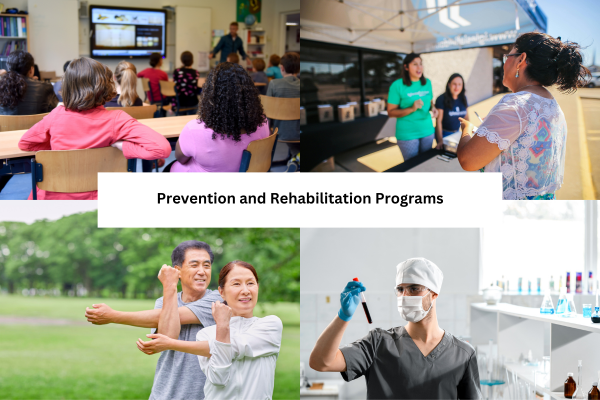
Prevention and Rehabilitation Programs
Despite its reputation for harshness, the government points to several rehabilitative components in its model:
- Preventive drug education in schools
- Compulsory or voluntary rehabilitation programmes
- Community-based aftercare for former offenders
Supporters argue that this blend of punishment and recovery offers clear pathways out of addiction. They often highlight success stories from rehabilitation centres as proof that the system is not solely punitive but also focused on reintegration.
Consistency and Clarity
Singapore’s drug laws are strict but also clear and consistently applied. Supporters believe that this transparency strengthens social norms, reinforces predictability, and gives the system moral legitimacy. In their view, uncertainty or inconsistency — common in more lenient systems — can create loopholes that criminal networks exploit.
What Critics Argue: Do the Laws Cause More Harm Than Good?
Human-rights groups, public-health experts, and global drug-policy researchers have raised serious concerns about highly punitive drug regimes like Singapore’s.
Criminalization Does Not Stop Drug Use
Large bodies of research suggest that:
- Harsh penalties rarely reduce addiction.
- Fear of punishment is not a major factor in whether people choose to use drugs.
- Social, psychological, and economic factors are stronger predictors of drug use.
This implies that while Singapore may suppress visible drug activity, it does not necessarily address the root causes of addiction or prevent drug use from occurring in private. Critics argue that focusing on deterrence overshadows the need for early intervention, support networks, and accessible treatment.
Punitive Laws May Undermine Recovery
Criminalization can create long-term cycles of harm:
- People with addiction avoid seeking help for fear of arrest.
- A drug conviction can lead to lifetime stigma, employment barriers, and social exclusion.
- Young people caught with small amounts may face severe consequences for what could be experimental behaviour.
These effects may worsen, rather than solve, the long-term social issues associated with drug use. Some researchers note that the fear of punishment often drives users into isolation, which increases unsafe consumption practices and delays recovery.
The Death Penalty’s Effectiveness Remains Unproven
One of the most controversial elements of Singapore’s policy is the mandatory death penalty for trafficking above certain thresholds. Critics argue:
- Many executed individuals were low-level couriers, not major traffickers.
- Those targeted are often from vulnerable socioeconomic backgrounds.
- There is no conclusive evidence that executions reduce trafficking overall.
Some international rights organisations claim that the death penalty targets symptoms of drug networks rather than addressing deeper structural causes, such as poverty, coercion, debt, and exploitation.
Lack of Harm-Reduction Services
Many countries with health-focused drug policies use harm-reduction strategies such as:
- Safe injection facilities
- Drug-checking kits
- Medical support without criminal penalties
- Community outreach for high-risk users
Singapore rejects most of these measures, arguing that they normalise drug use. Critics counter that this increases hidden consumption, raises risks of unsafe practices, and limits support for people who need it most. Harm-reduction models aim not to encourage drug use but to reduce the number of preventable deaths — a nuance that Singapore’s legal framework does not always recognise.
Final Takeaway
Singapore’s strict drug laws have undeniably contributed to a society with low visible drug activity and strong public order. Many citizens report feeling safer because of these policies, and the government maintains that deterrence is essential to preventing major drug-related crime.
However, the effectiveness of these laws in addressing addiction, reducing trafficking, and promoting long-term public health remains contested. Criminalisation may keep drug use hidden, but it does not eliminate the underlying factors that lead people toward addiction. In some cases, it may create additional social and psychological harms that ripple across families and communities. Ultimately, whether Singapore’s approach truly protects citizens depends on what outcomes society prioritises: maximum public order and deterrence, or a more health-focused, compassionate model that supports both communities and vulnerable individuals.