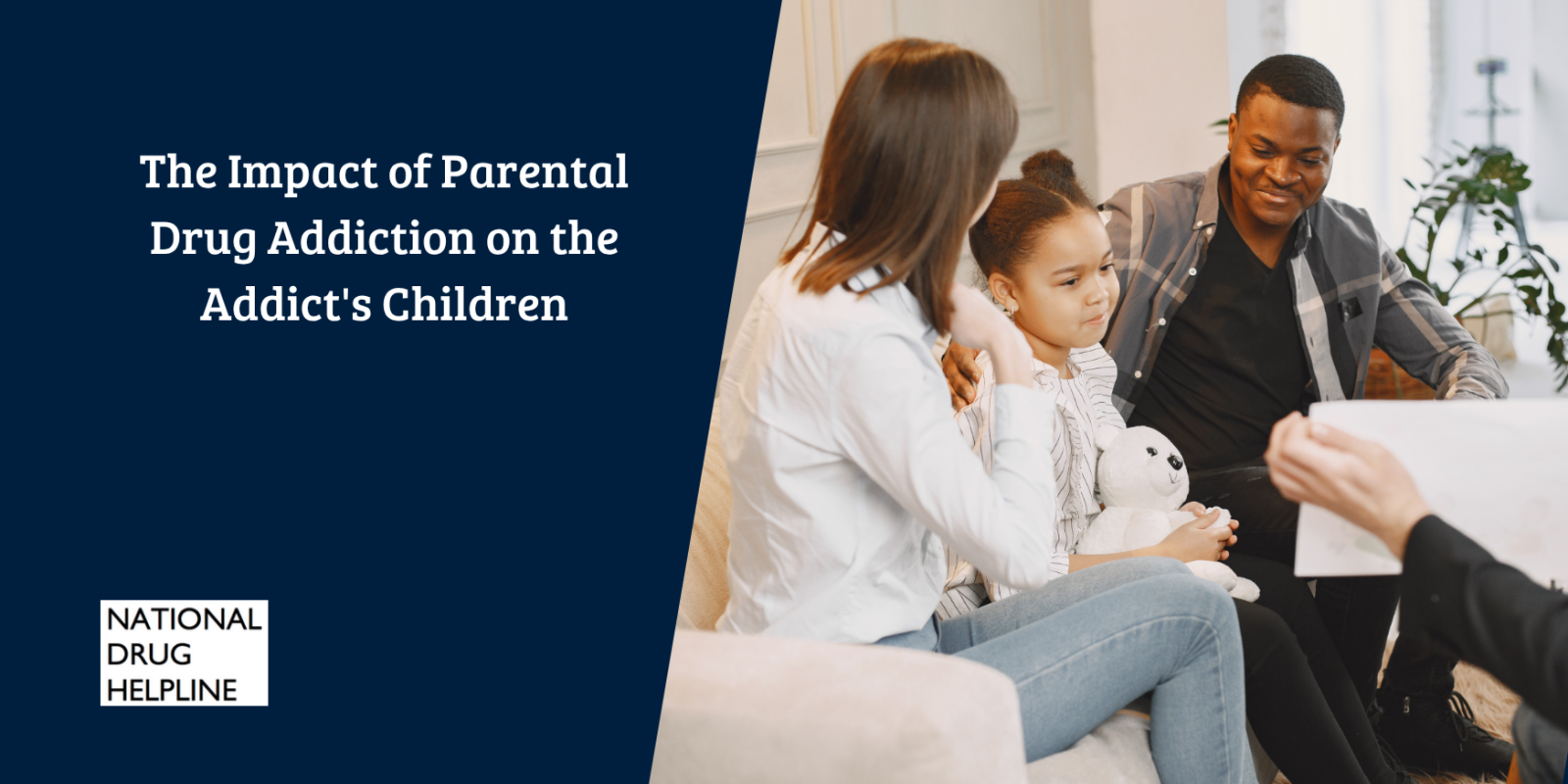
Parental drug addiction can affect the whole family, not just the person experiencing addiction. And for children, having a parent who struggles with drug use, can sometimes mean growing up in circumstances that feel uncertain, difficult, or different from those experienced by their peers. The effects can vary considerably, however, and no single experience is shared by every child.
Seeking appropriate professional help for drug addiction can be an important step, both for the parent and for the wider family. Healthcare professionals can provide advice and help families understand what support may be available.
In this article, we take a look at the potential impact of parental drug addiction and the potential needs of children involved.
The Impact of Parental Drug Addiction on Children
When a parent is affected by drug addiction, maintaining the care, stability, and reassurance that children require can become more challenging. Drug addiction can influence a person’s behavior, priorities and ability to manage everyday responsibilities. As a result, children may experience changes in family routines, relationships or the atmosphere within their home.
Research has identified[1] an association between parental substance use and poorer child wellbeing over time. The research suggests that parental drug use may be associated with difficulties across a range of areas of child development, with children potentially experiencing behavioral, educational and social challenges, for example.
For some children, these changes may be relatively subtle. For others, they may be more noticeable. A parent may be less emotionally available at certain times, household routines may become unpredictable, or family relationships may become strained.
Emotional Effects of Parental Drug Addiction on Children
Children living with parental drug addiction may sometimes experience feelings such as worry, confusion, sadness, or insecurity. They may not always understand why their parent’s behavior changes, particularly when they are young. Older children may understand more about the situation but may still have concerns about what is happening in their family.
Some children may become quiet or withdrawn, while others may express their feelings through changes in behavior. There is no single way for a child to respond to a difficult home environment and it’s important that children understand that a parent’s addiction is not their responsibility.
Changes to Family Life
Parental drug addiction can affect households in very different ways. For some parents dealing with drug addiction, maintaining regular meals, school routines, activities, and appointments may become more difficult. There may be financial difficulties, depending on the family’s circumstances. Children may notice these changes even if adults do not discuss the reasons behind them.
Some older children may also take on additional responsibilities at home, for example, helping with younger siblings or trying to support a parent. This can place responsibilities on them that they are not necessarily prepared to manage. Again, these experiences will not occur in every family.
Physical Health and Development
There can also be physical considerations for children affected by parental substance misuse. Research highlights[2] that concerns may begin during pregnancy or around the time of birth and may continue to be relevant throughout childhood and adolescence. It also highlights the importance of considering a child’s physical health and development when assessing the potential effects of parental substance misuse.
If you have concerns about a child’s health, growth or development, it is important to seek advice from an appropriate healthcare professional. A doctor, pediatrician or other qualified medical professional can assess the child’s individual circumstances and advise on any support or further care that may be appropriate. You do not have to work out what is happening or what help is needed on your own.
Education and Social Relationships
Parental drug addiction may also have an indirect effect on a child’s experience at school or with friends. When home life is unpredictable, a child may find it harder to concentrate or maintain their usual routines or build social relationships. They may also feel uncomfortable discussing their family circumstances with teachers or classmates.
At the same time, having a supportive relationship with another adult can provide an important source of stability. A trusted family member, teacher, counselor, or another responsible adult may offer a child somewhere safe to talk about their feelings.
Supporting Children and Families
When parental drug addiction affects a family, support for the child can be just as important as support for the parent. Children may benefit from having opportunities to talk openly about their experiences without feeling responsible for what is happening. Having a consistent and trusted adult they can turn to, or accessing professional support where appropriate, may also help them feel less alone.
For parents experiencing drug addiction, seeking appropriate treatment and professional medical support is an important step. Addressing the addiction may, over time, help bring greater stability to family life, including relationships, finances and household routines. Children may also benefit from having more consistent care and support around them.
Recovery can take time and may involve setbacks, and families may continue to experience stress, uncertainty and difficult emotions along the way. There is no guarantee that family circumstances will change quickly or in a particular way. However, seeking professional help and putting suitable support in place can help families understand their circumstances and identify the care that may be appropriate for both the parent and the child.
Final Thoughts: The Impact of Parental Drug Addiction on the Addict’s Children
Parental drug addiction can affect children in many different ways, from emotional wellbeing and family relationships to physical health and everyday routines. If you are concerned about a child’s wellbeing, speaking to a healthcare professional or another appropriate source of support can help you understand what options may be available.
Having the right support and healthcare in place may help address some of the difficulties a child is experiencing and provide them with appropriate care as they grow. Most importantly, for children living with parental drug addiction, their individual needs and wellbeing should remain an important part of any support provided.
References
| ↑1 | Kuppens, S., Moore, S. C., Gross, V., Lowthian, E., & Siddaway, A. P. (2020). The Enduring Effects of Parental Alcohol, Tobacco, and Drug Use on Child Well-being: A Multilevel Meta-Analysis. Development and Psychopathology, 32(2), 765–778. |
|---|---|
| ↑2 | Farst, K., & Kellogg, N. D. (2025). Impact of Parental Substance Misuse on Children. Pediatric Clinics of North America, 72(3), 525–538. |