In the past few decades, fentanyl, a powerful synthetic opioid, has gained widespread attention because of how highly potent it is and the high risk of fatal overdose. [1] While this opioid is medically prescribed to manage severe pain, there has been a rise in illicit fentanyl abuse. The fentanyl crisis has become a major public health concern. Therefore, it is crucial to understand what fentanyl does to you. This information is essential for not just those who have been exposed to the drug but also equally vital to know for families, communities, and healthcare providers.
What Is Fentanyl?
Fentanyl is a synthetic opioid that is known to have up to 50 to 100 times higher strength than morphine. [2] This drug works mainly by binding to the body’s opioid receptors. Such receptors are found in the brain and spinal cord, as well as other areas of the body.
Opioid receptors are responsible for controlling pain perception, reward, and other vital functions. Under strict medical supervision, fentanyl can be safely used. But when fentanyl is abused, whether through pills, powders, or laced street drugs, it can have devastating effects.
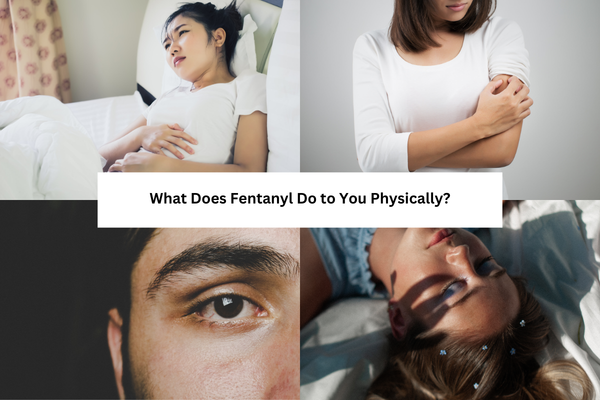
What Does Fentanyl Do to You Physically?
To answer in brief, fentanyl depresses your central nervous system. Here is a breakdown of its key physical effects:
- Pain Relief: The most important clinical effect of fentanyl is its ability to effectively reduce severe pain. It is a frequently prescribed medication for cancer patients or those who are undergoing major surgery.
- Sedation: Fentanyl can slow down brain activity. This may inevitably lead to drowsiness or a sense of calm, especially at higher doses.
- Respiratory Depression: The most dangerous effect of fentanyl is that it can significantly slow breathing. High doses of fentanyl can even stop breathing completely. The respiratory cessation secondary to fentanyl is often the leading cause of overdose deaths. [3]
- Nausea and Vomiting: Another common experience among fentanyl users is stomach upset. Sometimes, this can be severe enough to lead to dehydration.
- Itching and Sweating: Other common minor side effects of fentanyl include intense itching and excessive sweating.
- Constriction of Pupils: A classic sign of most opioids, including fentanyl, is pinpoint pupils.
What Does Fentanyl Do to You Mentally?
Beyond the obvious physical effects, fentanyl can also significantly impact your mental state. It can trigger a surge of dopamine in the brain, produce feelings of euphoria and well-being. This is what makes fentanyl highly addictive.
- Confusion and Impaired Judgment: Fentanyl can cloud your ability to make decisions. It also reduces your awareness of surroundings.
- Mood Swings and Anxiety: Some users also report experiencing extreme anxiety, depression, or irritability while on fentanyl.
- Addiction and Cravings: Repeated use of fentanyl may also change the brain’s reward pathways. This is what makes the body crave the drug.
- Cognitive Impairment: Taking fentanyl for long periods of time can affect your memory, concentration, and overall cognitive function.
Short-Term vs Long-Term Effects
It is essential to understand both the short-term and long-term impact of fentanyl.
Short-Term Effects
- Pain relief and sedation
- Euphoria and relaxation
- Slowed breathing and heart rate
- Nausea, vomiting, and constipation
In the absence of medical supervision, even taking fentanyl for a short term without medical supervision can lead to accidental overdose. This is especially true when illicit fentanyl is mixed with other drugs.
Long-Term Effects
When fentanyl is used frequently, it can cause serious long-term damage:
- Physical Dependence: With time, the body begins to rely on the drug to function normally. When fentanyl use is suddenly stopped, it can lead to abrupt withdrawal. This can cause severe symptoms such as muscle pain, diarrhoea, and vomiting.
- Tolerance: With time, lower doses may be inadequate, and higher doses may be needed to achieve the same effect. This can further increase the risk of overdose.
- Organ Damage: Chronic use of fentanyl may also have deleterious effects on the liver, kidneys, and heart.
- Mental Health Issues: Many people may suffer from depression, anxiety, and cognitive impairments long after stopping the drug.
- Social Consequences: Long-term abuse of fentanyl may also have negative social consequences. It can lead to isolation, financial problems, and strained relationships.
Risks of Fentanyl Abuse
Fentanyl abuse is particularly dangerous because many people use this drug without realising how potent this medication is. Even a tiny amount of fentanyl, which is equivalent to a few grains of salt, can be lethal. This can make accidental overdoses extremely common. This can especially happen when fentanyl is mixed into counterfeit pills or other illicit drugs like heroin or cocaine.
Serious complications associated with fentanyl use include:
- Respiratory arrest and death
- Severe addiction and withdrawal symptoms
- Increased likelihood of engaging in risky or unlawful behaviours
- Legal consequences if used illicitly
How to Stay Safe
If you or someone you know is at risk of fentanyl exposure or abuse, there are several ways to reduce danger:
- Avoid Illicit Drugs: It is best to not use drugs that have been obtained from unknown sources.
- Education: It is crucial to have proper knowledge beforehand and understand what fentanyl does to you physically and mentally.
- Naloxone: While on fentanyl, it is essential to keep naloxone (Narcan) within your reach at all times. It can be life-saving, as it can reverse opioid overdoses if it is administered in time.
- Seek Help: If you are looking for some guidance, you can contact healthcare providers or addiction services for guidance.
Conclusion
Fentanyl is a highly potent opioid that has a strong potential for abuse and overdose. Regardless of whether it is used medically or illegally, it can have profound effects on both the body and the mind.
Physically, it can depress breathing and slow vital functions. Mentally, it creates a sense of euphoria, can be highly addictive, and also leads to long-term cognitive changes. Long-term usage may also result in dependence, organ damage, and mental health issues. Therefore, understanding what fentanyl does to you is the first step towards prevention, safety, and effective intervention.
References
| ↑1 | Sutter, Mark E., et al. “Fatal fentanyl: one pill can kill.” Academic emergency medicine 24.1 (2017): 106-113. |
|---|---|
| ↑2 | Kelly, Eamonn, et al. “The anomalous pharmacology of fentanyl.” British journal of pharmacology 180.7 (2023): 797-812. |
| ↑3 | Harper, MARILYN H., et al. “The magnitude and duration of respiratory depression produced by fentanyl and fentanyl plus droperidol in man.” The Journal of pharmacology and experimental therapeutics 199.2 (1976): 464-468. |