Worldwide, one of the most common yet most overlooked public health issues is alcohol abuse. This has happened because drinking has been normalised by almost all cultures. It is also common knowledge that regular heavy drinking or ongoing alcohol addiction can have negative physical, mental, and emotional consequences.
But most people take these consequences for granted because these effects take time to develop. However, they also do not appear suddenly. Most begin to develop gradually over months or years. This can make it easy to dismiss the signs until they have become a serious health issue.
Whether you are concerned about your own drinking or worried about someone you love, you can help treat this condition by first understanding the full scope of alcohol related health issues.
Understanding Alcohol Abuse
Alcohol abuse is characterized by a pattern of excessive and incessant drinking that causes harm to your health, relationships, or ability to function at work or home.
In spite of being aware of the negative consequences, people suffering from alcohol abuse may continue binge drinking, daily heavy drinking, or have an inability to cut down. If you have found that these drinking patterns are persistent, then your alcohol abuse may have evolved into alcohol addiction.
The consequences of alcohol abuse are rarely limited to one part of life. It can have devastating effects on your physical, mental, and emotional well-being. Alcohol affects nearly every organ system.
Physical Health Impacts of Alcohol Abuse
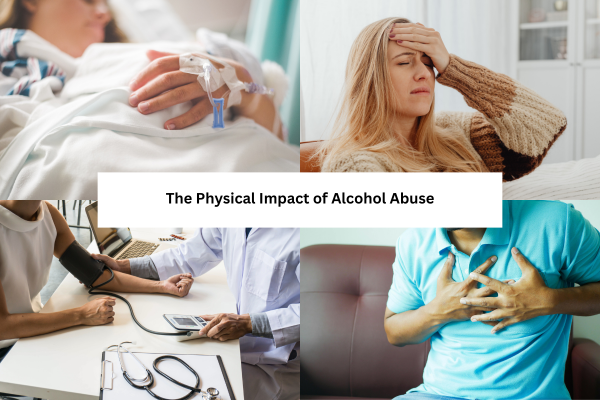
When alcohol is consumed excessively for a long time, it can overwhelm your body’s ability to process it. Some of the established physical health impacts of alcohol abuse are [1],[2]:
Liver Disease
Alcohol is metabolized by the liver. When you drink more alcohol than your liver has the capacity to detoxify, then the damage begins to accumulate over time.
Some of the common liver conditions that occur secondary to excessive alcohol consumption include:
- Fatty liver disease: This is a reversible early stage where fat begins to accumulate in liver cells. It can also occur in obese or overweight people.
- Alcoholic hepatitis: Chronic alcohol use can cause liver inflammation. This may manifest in the form of symptoms such as jaundice, fever, and abdominal pain
- Liver cirrhosis: In this condition, there is irreversible scarring of the liver that can eventually lead to liver failure.
One of the most serious and life-threatening outcomes of chronic alcohol abuse is liver disease.
Cardiovascular Problems
Drinking heavily can also disrupt heart rhythm, weaken the heart muscle, and increase blood pressure.
Some long-term consequences of alcohol intake in heart health include:
- Hypertension
- Irregular heartbeat (arrhythmia)
- Cardiomyopathy (weakened heart muscle)
- Increased risk of stroke
- Elevated cholesterol
There is a common perception that moderate drinking is “heart-healthy.” But in fact, it has the opposite effect.
Gastrointestinal Damage
Alcohol can also irritate and weaken the internal lining of the digestive system.
Common effects of alcohol on your gastrointestinal system include:
- Gastritis (inflammation of the stomach lining)
- Ulcers
- Pancreatitis (often severe and extremely painful)
- Acid reflux
- Nutrient malabsorption
Furthermore, alcohol may also interfere with the absorption of essential nutrients like vitamin B12, folate, and thiamine. Therefore, chronic drinkers often suffer from nutrient deficiencies that lead to worsening of other health issues.
Immune System Suppression
Alcohol can also weaken your immunity. This can make the body more vulnerable to infections.
Chronic drinkers have higher rates of:
- Pneumonia
- Tuberculosis
- Slow wound healing
- Frequent colds and viral infections
Your immune response may remain suppressed even after you stop drinking.
Increased Cancer Risk
While the effects of alcohol on liver is well known, few people know that long-term alcohol abuse can also significantly increase the risk of several cancers such as:
- Mouth, throat, and oesophageal cancer
- Liver cancer
- Breast cancer
- Colon cancer
This occurs because alcohol can damage DNA, increase inflammation, and make the body absorb more carcinogens from other sources.
Reproductive and Sexual Health Issues
Alcohol affects hormone levels and blood flow.
In men, this may cause:
- Erectile dysfunction
- Reduced testosterone
- Fertility issues
In women, it may cause:
- Irregular periods
- Infertility
- Higher risk of complications during pregnancy
Pregnant women who drink are also at risk of fetal alcohol spectrum disorders (FASD). This can cause lifelong developmental disabilities in children.
Mental Health Impacts of Alcohol Abuse
While the physical consequences of alcohol abuse are significant, the mental health effects of alcohol abuse can be equally devastating. [3]
Depression and Anxiety
Alcohol can alter the brain chemistry. Many people consume alcohol to temporarily numb stress or sadness. But this can ultimately backfire as it worsens emotional regulation.
Chronic drinking has been strongly associated with:
- Major depressive disorder
- Generalised anxiety disorder
- Panic attacks
- Social anxiety
Cognitive Decline and Brain Damage
Drinking alcohol heavily can lead to:
- Memory impairment
- Poor focus and concentration
- Difficulty learning new information
- Slower reaction times
Drinking alcohol for long periods may cause alcohol-related brain damage (ARBD). In severe cases, it may also lead to a condition called Wernicke–Korsakoff syndrome, which is a serious neurological disorder caused by deficiency of an essential vitamin called thiamine.
Sleep Disturbances
While some people may find that alcohol helps them fall asleep faster, it actually lowers overall sleep quality. It does so by disrupting deep and REM sleep cycles.
This can result in:
- Insomnia
- Daytime fatigue
- Irritability
- Poor cognitive performance
Poor sleep quality can make it more likely that a person drinks again to try and fix the issue. This can create a harmful cycle.
Increased Risk of Self-Harm and Suicide
It is common knowledge that alcohol lowers inhibitions, impairs judgment, and increases impulsive behaviour. When alcohol intake is combined with co-existing depression and anxiety, it can significantly raise the risk of self-harm and suicidal thoughts.
Relationship and Emotional Instability
Alcohol may also impact our ability to regulate emotions. This often leads to:
- Anger outbursts
- Conflict with family members or partners
- Social withdrawal
- Irresponsible or risky behaviour
Final Thoughts
While it is true that alcohol addiction has devastating effects, the good news is that it is treatable and recovery is absolutely possible with the right support. By seeking help from rehab programs, counselling, medical management, and community support, you can begin your recovery journey today, even through withdrawal.
And don’t forget to check out our alternatives to alcohol alternatives for the festive period and 2026, to help you on your road to recovery.
If you or someone you love is struggling with alcohol abuse, reach out for help today.
References
| ↑1 | Grønbæk, Morten. “The positive and negative health effects of alcohol‐and the public health implications.” Journal of internal medicine 265.4 (2009): 407-420. |
|---|---|
| ↑2 | Schmidt, Wolfgang. “Effects of alcohol consumption on health.” Journal of Public Health Policy 1.1 (1980): 25-40 |
| ↑3 | Bell, Steven, and Annie Britton. “An exploration of the dynamic longitudinal relationship between mental health and alcohol consumption: a prospective cohort study.” BMC medicine 12.1 (2014): 91. |