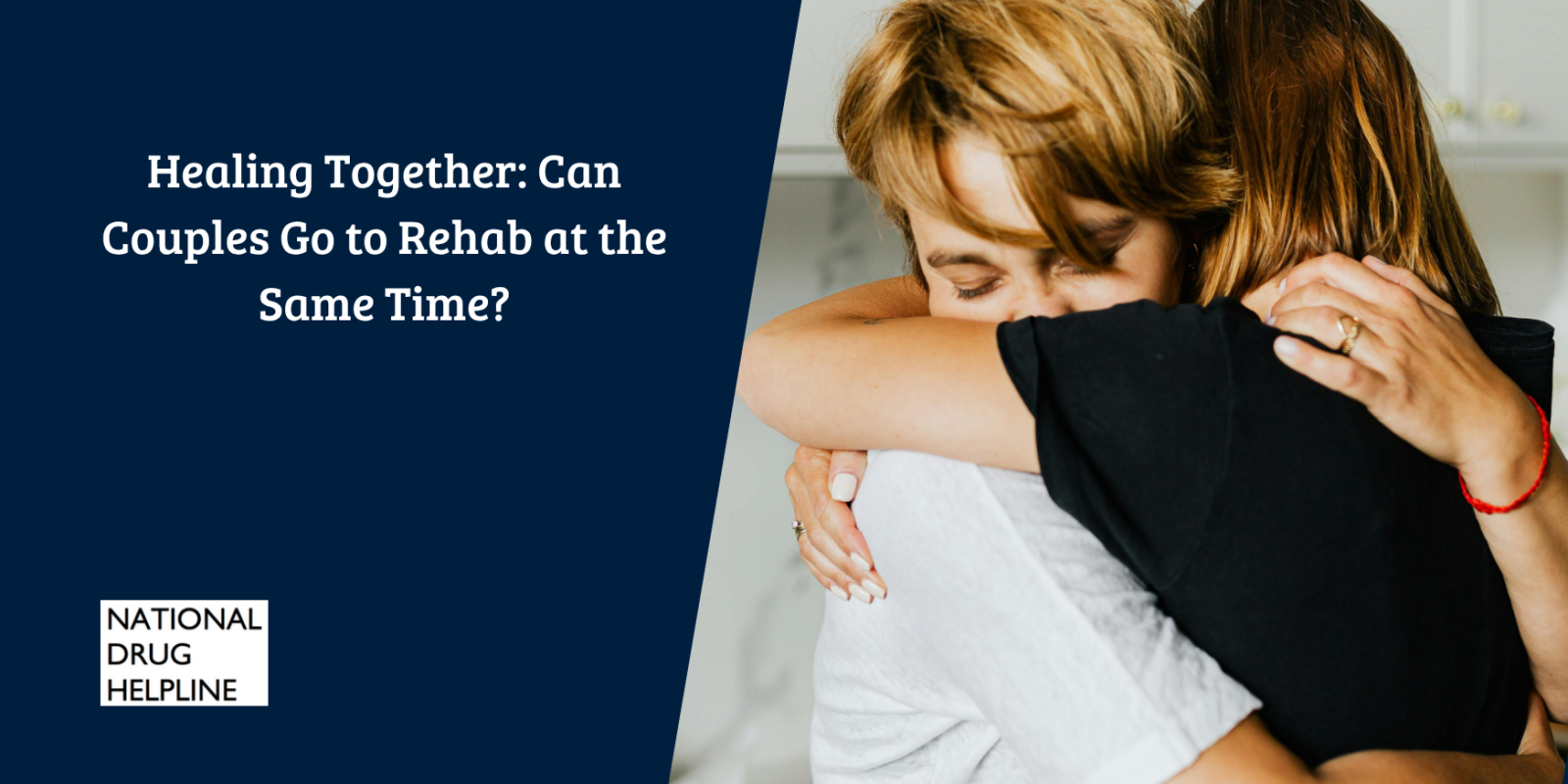
Seeking help for addiction is a significant decision, whether made individually or as a couple. Addiction can affect relationships, whether both partners are struggling or only one, and it rarely impacts just one person. You might be wondering, ‘Can spouses go to rehab at the same time?’ when addiction affects a relationship.
Addiction within a relationship can influence communication, trust, emotional well-being, and everyday routines, often leaving both partners feeling overwhelmed. If you and your partner are facing similar challenges, you may be wondering whether healing together is possible.
For some couples, couples rehab offers an opportunity to begin recovery side by side while receiving professional support tailored to both individual and relationship needs. While this approach isn’t suitable for every couple, it can provide a strong foundation for lasting change when both partners are committed to recovery.
In this article, we take a look at how couples rehab works, along with its benefits and potential challenges. Professional health support can help you decide whether attending rehab together may be the right step.
What Is Couples Rehab?
Couples rehab is a treatment approach designed for partners who want to address substance use disorders while remaining involved in each other’s recovery journey. Rather than focusing solely on the individual, couples rehab recognizes that relationships often play an important role in both addiction and recovery.
Treatment usually combines evidence-based addiction care with relationship-focused support. Depending on the program, this may include individual therapy, couples counselling, group therapy, medical care, supervised detoxification, if needed, relapse prevention planning, aftercare planning, and family education.
Each partner receives an individualized treatment plan while also participating in sessions designed to strengthen communication, improve understanding, and support healthy relationship dynamics.
Can Couples Go to Rehab Together?
Many treatment centers offer programs that allow couples to attend rehab together. However, participation is based on a thorough assessment of each person’s needs and the overall health of the relationship. In some situations, separate treatment programs may provide the safest and most effective path before relationship counselling begins.
Treatment providers may consider factors such as whether both partners are committed to recovery, individual medical and mental health needs, the presence of domestic violence or abuse, relationship dynamics that may affect treatment and whether joint treatment is likely to support long-term recovery.
The Benefits of Couples Rehab
When appropriate, couples’ drug treatment can offer several meaningful benefits for both partners. Many couples’ rehab programs include couples counseling alongside individual therapy. Experiencing treatment together allows both partners to gain a better understanding of addiction, recovery, and the challenges each person may face along the way.
Couples rehab can provide a safe and supportive environment to establish boundaries, rebuild trust[1], strengthen communication, and learn healthier ways to navigate challenges together, which often helps reduce misunderstandings and encourages greater empathy and support between each other.
Research into Behavioral Couples Therapy (BCT) has found that involving a supportive partner in addiction treatment can improve relationship satisfaction[2]. While every relationship is unique, the findings suggest that addressing both the relationship and recovery together can provide meaningful benefits for suitable couples.
Recovery is ultimately an individual responsibility, but having a supportive partner who understands the process can make difficult moments feel less isolating. Celebrating milestones together and encouraging healthy choices may help strengthen motivation throughout recovery.
Recovery is about more than stopping substance use. It’s also about building a healthier future. Many couples use treatment as an opportunity to reconnect, rebuild trust, and establish shared goals for life after rehab. A professional assessment is the best way to determine which approach is most appropriate.
The Challenges of Couples Rehab
Although couples’ addiction recovery offers many potential benefits, it isn’t the right approach for everyone. Each person experiences addiction differently. One partner may require medical detoxification or specialized mental health care, while the other may have different treatment priorities. Individualized care remains an essential part of successful recovery.
Recovery isn’t a race, and each partner may progress at a different pace. Recognizing and respecting each person’s individual journey helps reduce frustration and supports healthier long-term outcomes.
While working on the relationship is valuable, each person also needs space to focus on their own recovery. Experienced treatment teams help ensure that personal healing remains a priority alongside couples counselling.
What Happens During Couples Rehab?
Every treatment program is different, but most combine several evidence-based approaches. Individual, private counselling sessions allow each partner to explore the personal factors contributing to addiction, including trauma, stress, anxiety, depression, or other underlying concerns.
Couples counselling is often an important part of treatment, aiming to strengthen the relationship while ensuring each individual receives the care they need. Sessions focus on rebuilding trust, improving communication, setting healthy boundaries, and developing practical strategies to support recovery together.
Group sessions allow participants to learn from others facing similar experiences while developing a sense of community and shared encouragement. Many programs also offer family educational sessions that help families better understand addiction, recovery, and ways to provide healthy support.
Recovery continues long after residential treatment ends. Before completing rehab, couples often work with clinicians to create an aftercare plan that may include ongoing counselling, outpatient treatment, peer support groups, relapse prevention strategies, and healthy lifestyle planning. Continuing care helps many people maintain the progress they’ve made during treatment.
Final Thoughts: Healing Together: Can Couples Go to Rehab at the Same Time?
Seeking help for addiction is a significant decision, whether it’s made individually or as a couple. For many people, attending rehab together provides an opportunity to strengthen both personal recovery and the relationship itself. With professional guidance, evidence-based treatment, and ongoing support, couples can develop healthier communication, rebuild trust, and create a stronger foundation for the future.
As part of a comprehensive treatment plan, couples counseling may play an important role in helping partners better understand one another while developing practical skills to support long-term recovery together. Every journey is unique, but reaching out for professional help is often the first step toward meaningful and lasting change.
References
| ↑1 | CATCH Recovery. (n.d.). Couples Therapy. https://www.catchrecovery.com/treatment-services/couples-therapy |
|---|---|
| ↑2 | Fals-Stewart W, O’Farrell TJ, Birchler GR. (2004). Behavioral couples therapy for substance abuse: rationale, methods, and findings. https://pmc.ncbi.nlm.nih.gov/articles/PMC2851021/ |