Recovery for those suffering from addiction is rarely a straight path, and it may involve a variety of treatment and therapy options. For many people in the United States, it involves layers of emotional healing, behavioral change, and rebuilding a sense of identity and stability.
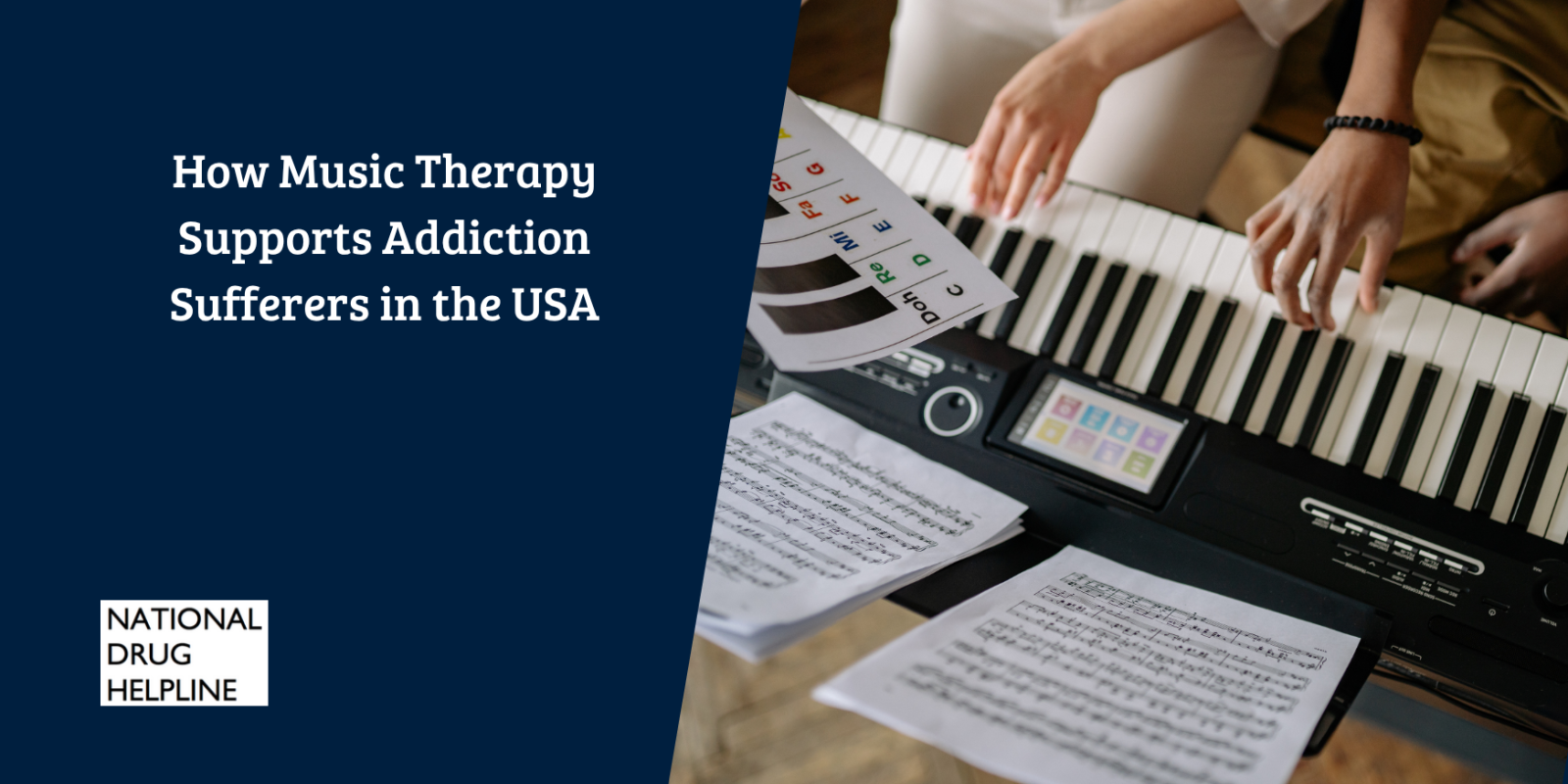
Music has always been deeply connected to human emotion, and in structured therapeutic settings, it can be a tool for expression, grounding, and connection. Alongside traditional treatments like counselling and medical support, music therapy programs are increasingly being recognised as a complementary approach that can support emotional regulation, help with cravings and motivation, and help long-term recovery.
In this article, we take a look at how music therapy programs can support individuals experiencing addiction and why it’s gaining attention in recovery settings across the USA.
Understanding Music Therapy in Addiction Recovery
Music therapy programs are structured interventions led by trained professionals who use music intentionally to support psychological and emotional goals. This can include listening to music, songwriting, rhythm exercises, lyric analysis, or guided performance. In addiction recovery settings, the aim is to reduce anxiety and stress by supporting emotional expression, improving coping strategies, strengthening the motivation for recovery, and building social connections in group settings.
One reason music therapy is effective is because it engages multiple areas of the brain at once, including those linked to emotion, memory, and reward. For individuals struggling with addiction, these same systems are often dysregulated. Research suggests that music-based interventions may help reduce cravings and improve motivation[1] in individuals recovering from substance use disorders.
Addiction can disrupt natural reward pathways, making it harder to experience pleasure from everyday life. Music, however, can stimulate dopamine release and create a sense of reward in a healthier, non-destructive way. A review of clinical findings highlights that music-based interventions can help regulate mood and support emotional processing, and can particularly be helpful for those suffering from anxiety and depression. [2]
Emotional Expression Without Words
One of the biggest challenges in addiction recovery is finding safe ways to express difficult emotions. Shame, guilt, trauma, and anxiety are common barriers that can make verbal communication difficult. Non-verbal expression can be especially helpful for individuals who struggle to articulate their emotions in traditional talk therapy settings.
Music therapy programs offer alternative forms of expression, such as writing lyrics to process personal experiences, playing instruments to release emotional tension, listening to music that reflects current emotional states, and creating rhythms that mirror internal feelings.
Supporting Stress Reduction and Craving Management
Stress is one of the most common triggers for relapse. Music has been shown to activate relaxation responses in the body, including reduced heart rate and lower cortisol level and studies suggest that structured music interventions can help reduce cravings in clinical populations[3], including those with substance use challenges.
This means that music therapy programs may help individuals manage cravings during high-stress periods, help them to develop relaxation routines using music, and replace substance-use behaviors with healthier coping strategies.
For example, guided music listening sessions can be used as grounding exercises when cravings arise, helping individuals refocus attention and regulate emotional intensity.
Building Routine and Structure in Recovery
Recovery often requires a rebuilding of daily structure, especially for individuals whose lives have been disrupted by addiction. Music therapy can play a role in this process as regular participation in music therapy programs helps establish a routine, attendance and commitment, a sense of accountability, and positive engagement in structured activities.
This consistency can be particularly valuable during early recovery, when motivation may fluctuate. Group-based music sessions also encourage social structure, which can help reduce isolation, which is a known risk factor for relapse.
Social Connection Through Group Music Therapy
Isolation is a significant challenge for many people recovering from addiction. Group-based music therapy programs can help address this by fostering connection in a low-pressure environment. Participants may engage in group drumming sessions, collaborative songwriting, shared music listening and discussion, and ensemble performance.
These shared experiences help build trust and communication skills. They also provide a sense of belonging, which is often missing during active addiction and early recovery. Feeling part of a group can significantly improve motivation and reduce feelings of loneliness.
Rebuilding Identity Through Music
Addiction can often overshadow a person’s sense of identity. Many individuals describe feeling disconnected from who they were before substance use began and music therapy can offer a way to reconnect with their identity in a safe and creative way.
Through songwriting or music exploration, individuals can revisit positive memories, explore values and goals, rebuild confidence and self-expression, and discover new interests and strengths. This process is gradual but powerful and allows individuals to see themselves as more than their addiction.
Integrating Music Therapy with Traditional Treatment
It is important to understand that music therapy programs are not a replacement for medical or psychological treatment. Instead, they work best as part of an integrated recovery plan. Common treatment combinations include cognitive behavioral therapy (CBT), group counselling, medication-assisted treatment (MAT), and holistic therapies such as yoga or mindfulness.
Music therapy complements these approaches by addressing emotional and sensory experiences that are sometimes harder to reach through talking-based methods alone.
Accessibility of Music Therapy in the USA
In the United States, music therapy is increasingly available in residential treatment centres, outpatient recovery programs, mental health hospitals, and community rehabilitation services. The American Music Therapy Association (AMTA) supports professional standards and certification, ensuring that qualified therapists deliver structured and evidence-informed care.
While access may still vary by region, awareness and availability continue to grow as more research supports its benefits.
Final Word: How Music Programs Can Help Those Suffering from Addiction
Recovery from addiction is deeply personal, and no single approach works for everyone. However, music therapy programs offer a unique and supportive pathway for emotional healing, stress reduction, and motivation. By engaging emotion, memory, and creativity, music therapy can help individuals reconnect with themselves in ways that feel safe and non-judgmental. For many people seeking addiction treatment, music becomes a helpful tool for recovery.
References
| ↑1 | Ghetti C, Chen XJ, Brenner AK, Hakvoort LG, Lien L, Fachner J, Gold C. Music therapy for people with substance use disorders. Cochrane Database Syst Rev. 2022 May 9;5(5):CD012576. doi: 10.1002/14651858.CD012576.pub3. PMID: 35532044; PMCID: PMC9082681. |
|---|---|
| ↑2 | Fachner J, Maidhof C, Murtagh D, De Silva D, Pasqualitto F, Fernie P, Panin F, Michell A, Muller-Rodriguez L, Odell-Miller H. Music therapy, neural processing, and craving reduction: an RCT protocol for a mixed methods feasibility study in a Community Substance Misuse Treatment Service. Addict Sci Clin Pract. 2023 May 27;18(1):36. doi: 10.1186/s13722-023-00385-y. PMID: 37245018; PMCID: PMC10225077. |
| ↑3 | Pasqualitto F, Panin F, Maidhof C, Thompson N, Fachner J. Neuroplastic Changes in Addiction Memory-How Music Therapy and Music-Based Intervention May Reduce Craving: A Narrative Review. Brain Sci. 2023 Feb 3;13(2):259. doi: 10.3390/brainsci13020259. PMID: 36831802; PMCID: PMC9953876. |