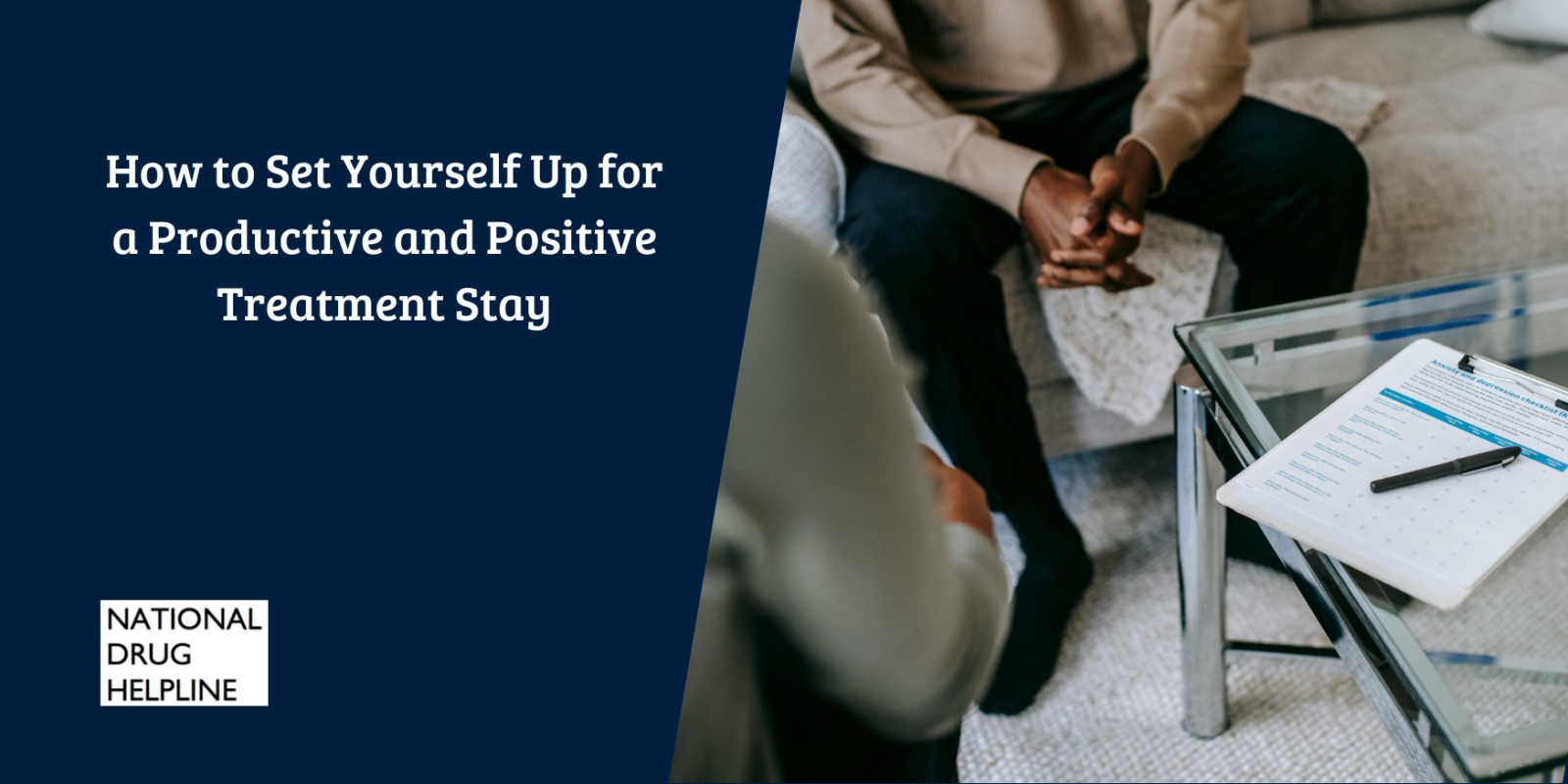
Entering addiction treatment is a meaningful and courageous step. Whether this is your first time in rehab or you’re returning for additional support, how you approach your stay can make a real difference to your experience and outcomes. While treatment programs are designed to guide and support you, there are also practical and emotional steps you can take to help yourself get the most from the process.
In this article, we explore realistic ways to prepare yourself for a productive and positive treatment stay, from before you arrive to building healthy habits while you’re there.
Understanding What Treatment Is For
Before practical tips, consider what addiction treatment is. It’s more than stopping substance use: it’s about understanding patterns, building coping skills, and beginning long-term recovery and self-awareness. Your mindset can strongly affect your results.
Treatment programs typically combine therapy, education, medical care (if needed), and peer support. According to the National Institute on Drug Abuse[1], effective treatment addresses “the whole person,” not just the substance use itself, and often includes behavioural therapies and ongoing support planning.
Arrive With an Open Mindset
You do not need to feel fully ready or confident to benefit from treatment. Many people arrive feeling uncertain, resistant, or emotionally exhausted. That is completely normal. What helps most is a willingness to participate, even in small ways.
Ways to get involved include attending sessions even when you feel unsure, listening without immediately judging what you hear, and being honest, even if it feels uncomfortable. Recovery is not about doing everything perfectly. It is about being open to change over time.
Be Honest When It Feels Difficult
Honesty is one of the most important foundations of treatment. This includes honesty with your therapists, medical staff, group peers, and, importantly, yourself. It can feel tempting to minimize struggles or present a “better version” of your situation, especially at the beginning.
Treatment works best when clinicians understand your real experiences, triggers, and challenges, and then care can be based on accurate information, which can significantly improve treatment outcomes. If speaking openly feels hard, start small.
Engage With the Full Program
Treatment programs often include a mix of one-to-one therapy, group sessions, educational workshops, and holistic activities such as mindfulness and movement. Try approaching each part of the program as an experiment rather than a commitment to “liking” it. You are gathering tools to help you recover, not passing a test.
It’s normal to feel unsure about certain elements, especially group work or reflective exercises. However, even unfamiliar or slightly uncomfortable activities can become some of the most valuable parts of treatment over time.
Connect With Others
One of the most powerful parts of treatment is realising you are not alone. Many people arrive feeling isolated or misunderstood, only to discover shared experiences with peers. Group therapy and shared living environments (if you are in a residential setting) can help you reduce feelings of isolation, learn from others’ coping strategies, and practice communication and trust.
However, connection does not need to be forced. If you are quiet at first, that is okay. Even simply listening can be a meaningful first step. Over time, small conversations can grow into supportive relationships that continue beyond treatment.
Routine and Structure
Addiction can often disrupt daily structure and treatment helps rebuild it. A consistent routine might include a set time for waking up and sleeping, scheduled meals, and scheduled therapy sessions. And also time for exercise or movement, downtime, and reflection.
While structure may initially feel restrictive, many people find that it becomes grounding. It reduces decision fatigue and creates a sense of stability, which is especially important in early recovery. Think of the routine you have in a treatment stay as a supportive framework rather than a set of rules[2].
Sit With Discomfort
One of the biggest skills developed in treatment is emotional tolerance, the ability to feel difficult emotions without immediately trying to escape them. This might include feelings such as anxiety, shame, anger, boredom, and sadness.
Therapies such as Cognitive Behavioral Therapy (CBT) are often used to help people identify triggers and build healthier responses to emotional discomfort. The National Institute of Mental Health notes that CBT can help people recognise and change unhelpful thinking patterns that contribute to substance use behaviors.
Ask Questions
Treatment is most effective when you feel involved in your own care. If something is unclear or if you feel uncertain about your plan, it is always appropriate to ask questions, such as ‘What is the goal of this therapy?’ ‘How does this support my recovery?’ and ‘What options do I have moving forward?’ You don’t need to have all the answers; just simply stay engaged with your own journey.
Life After Treatment
While it may feel far away, aftercare planning is a key part of treatment success. This might include ongoing therapy or counselling, support groups, healthy routines at home, and identifying triggers and coping strategies.
Planning ahead helps bridge the gap between structured treatment and everyday life. Recovery is not something that ends when treatment does; it continues as a long-term process of support and growth.
Be Kind to Yourself
Perhaps the most important tip is also the simplest: be gentle with yourself. Recovery is not linear. There may be days when you feel hopeful and engaged, and others when you feel tired, emotional, or uncertain. This is part of the process, not a sign of failure. Small progress, showing up and trying all matters again.
Final Word: How to Set Yourself Up for a Productive and Positive Treatment Stay
A productive and positive treatment stay is about showing up with openness, honesty, and a willingness to engage with the process at your own pace. You don’t need to have everything figured out before you begin. Treatment is where many of those answers start to unfold. With time, support, and consistency, many people find that treatment becomes not just a period of recovery, but a turning point toward a more stable and meaningful life.
References
| ↑1 | National Institute on Drug Abuse (NIDA) – Treatment and Recovery |
|---|---|
| ↑2 | National Institute of Mental Health (NIMH) – Psychotherapies |