Finding the right treatment for drug or alcohol dependency can feel overwhelming, particularly when the options are unfamiliar. Residential treatment, sometimes called inpatient rehab, is one of the most structured and intensive forms of care available. It offers a dedicated environment where people can step away from the pressures and triggers of daily life and focus entirely on recovery. This article explains what residential treatment involves, who it’s suited to, and what to expect before, during, and after a program.
What is residential treatment?
Residential treatment is a form of rehabilitation in which patients live full-time at a treatment facility for a set period, typically between 30 days and several months depending on the severity of the addiction and individual needs. Unlike outpatient programmes, where patients attend therapy sessions and return home afterwards, residential treatment removes people from their usual environment entirely. This separation helps reduce exposure to the people, places, and stressors that can drive substance use.
Residential programmes are recognised by organisations such as the Substance Abuse and Mental Health Services Administration (SAMHSA) as an effective option for those requiring a higher level of care than outpatient services can provide.
How does residential treatment work?
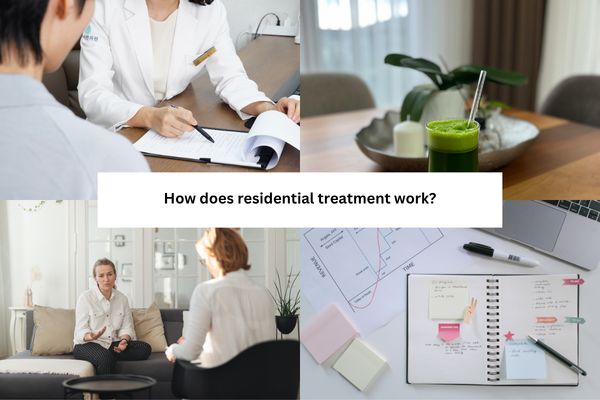
While the specifics vary between facilities, most residential programmes follow a broadly similar structure:
Assessment and intake
On arrival, each patient undergoes a thorough evaluation covering their substance use history, physical health, mental health, and personal goals. This information is used to build an individualised treatment plan.
Medical detox
For certain substances, withdrawal can be physically and psychologically demanding. Many residential facilities offer medically supervised detoxification to manage this process safely and as comfortably as possible.
Therapy and counselling
Therapeutic work is at the heart of residential treatment. Most programs combine several approaches, including:
- Individual counselling
- Group therapy
- Family therapy
- Behavioral therapies such as Cognitive Behavioural Therapy (CBT)
Daily structure
Residents follow a structured daily schedule that typically includes therapy sessions, educational workshops, physical activity, and wellness practices such as mindfulness or yoga. Routine plays an important role in rebuilding healthy habits and a sense of stability.
Aftercare planning
Before discharge, patients and their care team develop a plan to support continued sobriety. This may include outpatient therapy, peer support groups, or a move to sober living accommodation.
How does residential treatment compare to other options?
Residential treatment sits at the more intensive end of the addiction treatment spectrum. Understanding where it fits can help you choose the right level of care:
- Outpatient treatment: Patients live at home and attend scheduled therapy sessions. Best suited to mild or moderate addiction.
- Intensive Outpatient Programmes (IOPs): More frequent sessions than standard outpatient care, while still allowing patients to live at home.
- Partial Hospitalisation Programmes (PHPs): Day-based treatment with medical supervision; patients return home each evening.
- Residential treatment: Full-time, live-in care in a structured environment. Most appropriate for moderate to severe addiction, or where previous lower-level treatment has not been sufficient.
What are the benefits of residential treatment?
Residential treatment offers several meaningful advantages over less intensive approaches:
- A substance-free environment: Removing patients from their usual surroundings reduces access to drugs or alcohol and limits exposure to triggers, particularly during the vulnerable early stages of recovery.
- Round-the-clock professional support: Medical staff, therapists, and counsellors are available at all times, providing both practical care and emotional support.
- Structured routine: A consistent daily schedule helps patients re-establish healthy habits and a sense of purpose.
- Peer connection: Living alongside others in recovery creates a sense of solidarity and shared understanding that can be deeply supportive.
- Whole-person care: Many programmes address not only addiction but also mental health, physical wellbeing, and emotional resilience: treating the person, not just the substance use.
Is residential treatment effective?
For many people, particularly those with long-term or severe addiction, residential treatment is among the most effective options available[1]. The combination of intensive therapy, reduced exposure to triggers, and dedicated time away from everyday pressures creates conditions that are difficult to replicate in outpatient settings.
That said, outcomes depend on several factors, including an individual’s commitment to the process, the quality of the programme, and the strength of aftercare support. Residential treatment is often best understood as a strong foundation for recovery rather than a complete solution in itself.
Who is residential treatment suitable for?
Residential treatment is worth considering for anyone who:
- Has a moderate to severe substance use disorder
- Has tried outpatient care without lasting success
- Experiences intense cravings or repeated relapse
- Is dealing with a co-occurring mental health condition such as anxiety or depression
- Does not have a stable or supportive home environment
- Needs to step away from their current circumstances entirely in order to focus on recovery
What are the potential challenges?
Residential treatment is not without its practical challenges[2], and it’s worth considering these honestly:
- Cost: Inpatient programmes can be expensive, though insurance may cover part or all of the cost depending on your plan and the facility.
- Time away: Staying at a facility requires taking time out from work, study, or family commitments, which is not always straightforward to arrange.
- Adjustment period: Adapting to a structured environment away from home can be difficult at first, particularly for those who haven’t been in a clinical setting before.
For many people, these short-term challenges are outweighed by the long-term benefits of completing a structured program.
What happens after residential treatment?
Completing a residential programme is a significant milestone, but it is the beginning of an ongoing process rather than the end. Aftercare is essential to maintaining progress and typically includes some combination of:
- Outpatient therapy or counselling
- Peer support groups such as 12-step programmes
- Sober living arrangements
- Continued medical or psychiatric care
Building a reliable support network and maintaining healthy routines are among the most important factors in sustaining long-term recovery.
Final thoughts
Residential treatment offers a structured, immersive path to recovery for people who need more than outpatient care can provide. It isn’t the right fit for everyone, but for those dealing with serious or long-standing addiction, the combination of professional support, a safe environment, and dedicated time away from everyday pressures can be genuinely transformative. If you or someone you care about is struggling with substance use, exploring the full range of treatment options, including residential care, is a worthwhile first step.
References
| ↑1 | Reif, S. et al. (2014). “Residential treatment for individuals with substance use disorders: assessing the evidence.” Psychiatric Services, 65(3), 301–312. |
|---|---|
| ↑2 | Mignon, S.I. (2014). Substance Abuse Treatment: Options, Challenges, and Effectiveness. Springer Publishing Company. |