Addiction is a complex condition that can affect the brain, behavior, and emotions. In spite of the pain that it can cause people and their loved ones, many people that are struggling with addiction resist seeking help. This can be disheartening for the people who care about those refusing to get treated.
The first and most crucial step to help your loved ones is to understand why addicts refuse treatment. Their resistance often stems not from stubbornness but from fears that are deeply rooted, pre-established misconceptions, and psychological barriers.
Denial of the Problem
One of the most common reasons why people with addiction avoid treatment is denial. Addiction can change how a person perceives their own behavior. People who are suffering from addiction may truly believe that they can stop using the substance they are addicted to at any time. Many even firmly believe that the situation is still under their control.
This concept is a type of psychological defense mechanism that they use to protect themselves from confronting painful truths about their condition. [1] Due to this, the affected person might minimize or rationalize their behavior instead of acknowledging their addiction. They may do so even when family or friends point out the severity and the impact of addiction, such as job loss, damaged relationships, or decline in health.
Fear of Withdrawal and Detox
The symptoms of withdrawal can be both physically and emotionally overwhelming. But for someone who has become dependent on drugs or alcohol, the thought of going through detox can be too terrifying to even consider it.
The early symptoms of detoxing, such as nausea, anxiety, tremors, depression, and insomnia that people initially go through, can also make recovery feel near impossible. This fear is what often keeps people trapped in the cycle of substance use. Some people may have tried to quit before and experienced intense withdrawal symptoms, and this may even reinforce the belief that recovery is too painful or dangerous.
Medical detox programs can help manage these symptoms safely. However, many addicts are unaware of these options or are too fearful to trust them.
Stigma and Shame
Social stigma plays a major role in why many people refuse addiction treatment. Society often views addiction as a moral failing rather than a medical condition. This can lead to guilt and shame.
People who struggle with addiction may worry about being judged by their community, losing their job, or disappointing their family. This emotional burden can make it harder for them to admit that they need help.
Unfortunately, rather than reaching out, many addicts isolate themselves further. This can deepen their dependence and delay recovery.
Mental Health Disorders
Addiction and mental health issues both go hand in hand. [2] When substance abuse occurs together with depression, anxiety, post-traumatic stress disorder (PTSD), and other psychiatric conditions, it can both contribute to and worsen substance use.
When these underlying mental health conditions go untreated, it becomes harder for the individual to recognize the need for addiction treatment. Some may self-medicate with drugs or alcohol to cope with emotional pain, not realizing that they are reinforcing a destructive pattern.
Therefore, it is critical to opt for integrated treatment that addresses both mental health and addiction simultaneously to achieve long-term recovery.
Fear of Change
Recovery requires major life changes. This often means you may have to cut ties with certain friends, avoid old environments, and confront emotional wounds. But for many addicts, any new behavior or changes can feel overwhelming.
Substance use often becomes a familiar coping mechanism and a core part of the person’s daily life. Giving up substance use may mean stepping into the unknown or a future without the substance that once used to provide comfort or escape.
This fear of change can make even the idea of treatment feel threatening. But with proper encouragement and gentle persistence from loved ones this fear can be reduced over time.
Lack of Awareness or Understanding of Treatment Options
There are still a lot of misconceptions among most people about what addiction treatment involves. Some may picture long hospital stays or therapy sessions full of judgments. Others may assume that they will definitely be unable to afford rehab or that treatment will not work for them.
In fact, treatment options today are a lot more flexible and personalized than ever. Outpatient programs, support groups, counseling, and medication-assisted treatment can all be organized to suit the person’s needs.
By educating individuals and families about all the available options, we can break down barriers and make recovery seem more achievable.
Negative Past Experiences with Treatment
For some people, past treatment attempts have ended in disappointment. Once someone has faced relapse, harsh treatment environments, or unsupportive staff, it can leave a lasting impression. These experiences often make people skeptical about trying again.
However, relapse does not always mean failure. It often means that the person may need a different approach or require additional support. By emphasizing that recovery is a process and not a single event, hope can be regained regarding treatment.
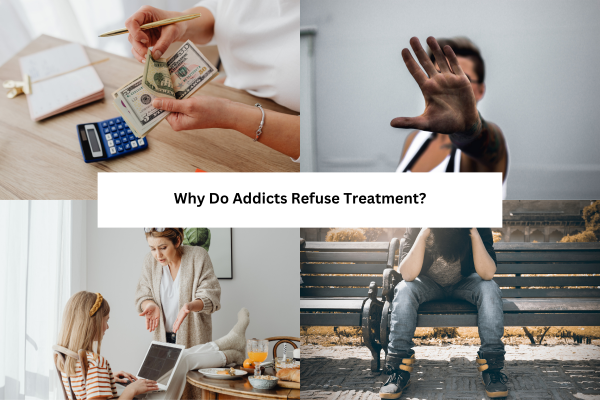
Financial Barriers
The perceived cost of treatment is another factor that is a major deterrent to those who wish to recover. Many people often believe that professional rehab or therapy is just beyond their financial reach.
While it is well known that some programs can be quite expensive, there are many affordable and insurance-covered available options. For instance, public programs, non-profit organizations, and community clinics can also provide treatment support for those in need.
By raising awareness about these resources, we can make the idea of seeking help feel more accessible.
Influence of Social Circles
Peer pressure and social environments can heavily influence addiction behavior. [3] If an individual’s friends or social group also use substances, they may feel reluctant to leave that circle or fear losing social connections.
This sense of belonging can make recovery feel isolating. Support groups and sober communities can help fill this gap by offering new, healthier relationships built on shared recovery goals.
Loss of Self-Efficacy
Over time, addiction can destroy a person’s confidence in their ability to change. After repeated failed attempts to quit, many start to believe that they’re beyond help.
This hopelessness can make treatment seem pointless. Compassionate care, encouragement, and small, achievable goals can help rebuild self-belief and motivation.
Helping Someone Who Refuses Treatment
If someone you care about refuses treatment, it is important to remember that forcing them will not work. Instead, you can focus on maintaining open communication, showing empathy, and providing information about recovery options.
Here are some helpful steps:
- Express concern without judgment.
- Provide information about treatment.
- Avoid enabling behaviors while remaining emotionally supportive.
- Seek professional guidance.
Final Thoughts
Just because someone refuses treatment, it does not mean they don’t want to recover. In fact, it often means that they are afraid, misinformed, or overwhelmed. Only after understanding why addicts refuse treatment can families and caregivers respond with greater compassion and patience.
It is always possible to recover, even for those who initially resist it. With the right combination of support, education, and persistence, people who are struggling with addiction can eventually find the courage to take that first step toward healing.
References
| ↑1 | Pickard, Hanna. “Denial in addiction.” Mind & Language 31.3 (2016): 277-299. |
|---|---|
| ↑2 | Jones, Laura, and Daniel Vigo. “Mental health and substance abuse.” Global Health Essentials. Cham: Springer International Publishing, 2023. 197-201. |
| ↑3 | Neighbors, Clayton, Dawn W. Foster, and Nicole Fossos. “Peer influences on addiction.” Principles of addiction 1.1 (2013): 323-331. |