Recovery from substance use disorder is often hindered by relapse. However, relapse is a common part of the recovery journey. By understanding the early warning signs of relapse in drug addiction and having strategies in place to prevent drug addiction relapse, you can help yourself stay on track and avoid falling back into your old patterns.
Whether it is you or a loved one struggling with drug relapse, it is important to know that it is possible to recover from a relapse by recognising the emotional, mental, and physical stages of relapse.
Understanding Relapse: More Than Just Using Again
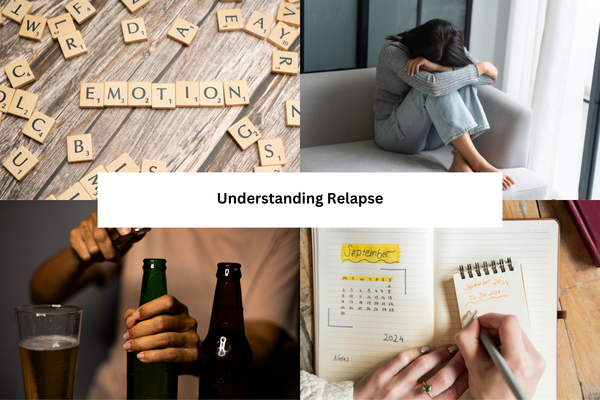
Many believe relapse simply occurs due to a singular act of using drugs after a period of sobriety. But according to experts, relapse occurs in three overlapping emotional, mental, and physical stages. [1] You can help intervene before your relapse escalates by recognising these stages early on.
Emotional Relapse: The Silent Stage
The first and often least visible stage of relapse is the emotional stage. It is the point where a person may not have started using drugs yet, but the risk is building over time. Some common signs include:
- Mood swings, irritability, or unexplained anger
- Withdrawal from family, friends, and support networks
- Difficulty managing stress or negative emotions
- Avoidance of recovery-related activities such as meetings or therapy
During this stage, it is common for people to feel restless, disconnected, or overwhelmed, but they may not consciously realise that they are at risk. If left unacknowledged, the emotional relapse often sets the stage for mental relapse.
Mental Relapse: The Battle in the Mind
When the thoughts about using substances become constant and unrelenting, this is when a person has entered the mental stage. At the stage, people may:
- Think about past drug use or “just one time”
- Rationalise or minimise the consequences of using
- Feel envious or resentful toward sober people
- Experience strong cravings and obsessive thoughts about drugs
In essence, this stage is a tug-of-war in the mind. While physically they may still be resisting the urge to use, the emotional and cognitive pull toward substances gets stronger. This mental urge gives an opportunity to act before it turns into physical relapse.
Physical Relapse: When Action Follows Thought
When thoughts and feelings lead to drug use, this is called a physical relapse. It can start with just one dose, but even small mistakes can set off a full relapse cycle.
- Using drugs again after not using them for a while
- Lying about drug use or hiding it
- Going back to old habits or places where drugs were used
It’s important to remember that emotional and mental stages come before physical relapse, even though physical relapse is often the most obvious. Finding it early is the key to stopping the cycle before it gets worse.
Building a Relapse-Prevention Plan
A proactive approach is required to prevent drug addiction relapse. A relapse-prevention plan helps equip people with the tools to respond to triggers, cravings, and stressful situations. [2] Here is how you can get started:
Identify Triggers
The urge to use again and relapse can be strong and frequent. It is often triggered by certain people, places, or circumstances. Some potential triggers include:
- Personal disputes or stressful work environments
- Getting together with people who use drugs
- Boredom, loneliness, or emotional distress
Keeping a record of your triggers can help you develop effective alternate coping mechanisms.
Develop Coping Strategies
When you feel like giving in to the triggers, you can find healthier ways to deal with them such as:
- Meditation, deep breathing, or mindfulness exercises
- Taking up new hobbies or some form of physical activity
- Having a conversation with a friend, sponsor, or therapist who understands you
To ensure long-term recovery, it is extremely important to use these coping strategies consistently.
Create a Support System
Recovery is never a solo journey. You require a strong support system for sustained long-term recovery. Therefore, it is essential to involve:
- Family and friends who know what you’re going through
- Groups that help people in recovery, like AA, NA, or SMART Recovery
- Mental health professionals who can help you make decisions
You can lower the chance of relapse by being open and honest with each other and taking responsibility.
Set Goals and Monitor Progress
Keeping track of your progress helps encourage good behavior and self-awareness:
- Write down your cravings and triggers
- Use healthy methods to cope with them.
- Celebrate important steps in sobriety
- Change the plan as needed based on what works and what doesn’t.
How to Talk to a Loved One Who May Be Slipping
It can be difficult to watch someone you care about repeatedly go through a relapse. However, when you approach them, it is essential to be understanding and:
- Pick the right time: Don’t confront someone when they’re stressed out or defensive.
- Don’t judge, just show concern: Talk about how people act and feel instead of calling them failures.
- Give help and resources: Suggest counselling, support groups, or professional help.
- Set healthy limits: Be there for others while also taking care of yourself.
You cannot make someone get better, they have to want to get help for themselves.
When to Call a Helpline or Seek Professional Support
When professional help is sought early on, it can prevent relapse from escalating further. You should reach out if [3]:
- Cravings or thoughts of using are strong or don’t go away.
- Even with coping strategies, signs of emotional or mental relapse persist.
- You feel unsafe or like you can’t control your desires.
- A loved one is showing signs of going back to their old ways, which puts their safety at risk.
Professional intervention includes organised help, therapy, and sometimes medical care to help recovery stay on track.
Recovering from a Relapse
It is important to see a relapse as a temporary setback and not a failure. Here are some things you can do to get back on track after a relapse:
- Admit it: Denial increases risk.
- Get in touch right away: Call your counsellor or support network.
- Look over the relapse-prevention plan: Find out what caused the relapse and change the plan.
- Return to therapy or treatment: Get back in touch with professional help, group meetings, or structured programmes.
- Be kind to yourself: Recovery is a journey with ups and downs.
The sooner you do something after a relapse, the sooner you can get back on track and keep working towards sobriety.
Final Thoughts
Preventing drug addiction relapse requires vigilance, self-awareness, and a strong support network. Long-term recovery can be attained by understanding the emotional, mental, and physical phases of relapse, creating a strong relapse-prevention strategy, and getting professional assistance when necessary.
For loved ones, knowing the signs of drug addiction relapse and being there for them with understanding and support can save lives. Relapse is not the end. It is a sign that you need to strengthen your recovery strategies and get help if you need it.
Your recovery is still going on, but you can avoid relapsing into drug use with awareness, planning, and support. If you do relapse, you can get back on track quickly and safely.
References
| ↑1 | Melemis, Steven M. “Relapse prevention and the five rules of recovery.” The Yale journal of biology and medicine 88.3 (2015): 325. |
|---|---|
| ↑2 | Menon, Jayakrishnan, and Arun Kandasamy. “Relapse prevention.” Indian journal of psychiatry 60.Suppl 4 (2018): S473-S478. |
| ↑3 | Melemis, Steven M. “Relapse and relapse prevention.” Alcohol use: assessment, withdrawal management, treatment and therapy: ethical practice. Cham: Springer International Publishing, 2023. 349-361. |