
With the new year around the corner, a decades-old tradition is once again gaining momentum. Every January, millions of people across the United States choose to take a break from drinking alcohol for the entire month, a practice widely known as “Dry January.” [1] Although it often trends on social media and in wellness circles, Dry January is far more than a fad. For many people, it becomes a meaningful reset that can improve physical health, emotional well-being, and long-term habits around alcohol.
Whether the goal is to cut back, reassess drinking patterns, support mental health, or simply start the year with a clearer mind and a healthier routine, taking a month off from alcohol can offer significant benefits. Research continues to show that even a short period of abstinence can positively impact sleep, mood, metabolism, and overall functioning. [2]
Below is a deeper look at how Dry January can support your health, and how to make the most of the experience.
The Benefits of Dry January
Even a brief break from alcohol can create measurable improvements. Studies and real-world experiences show that the effects can appear within days and continue building throughout the month. Here are some of the most widely reported benefits. [3]
Better, More Restorative Sleep
Many people turn to alcohol to help them fall asleep, especially during periods of stress or anxiety. While alcohol may create initial drowsiness, it interferes with REM sleep, increases nighttime awakenings, and disrupts natural sleep cycles.
People who stop drinking for even a short period commonly notice:
- Deeper, more restorative sleep
- Fewer nighttime disruptions
- Increased morning energy
- Improved concentration during the day
Better sleep alone can create a cascade of positive changes, improving mood regulation, productivity, and overall well-being throughout the month.
Improved Mood and Mental Clarity
Alcohol affects the brain’s neurotransmitters, the chemical messengers responsible for mood, motivation, and stress responses. By reducing or eliminating alcohol intake, many people experience a noticeable shift in emotional balance.
Common improvements include:
- Clearer, more focused thinking
- Reduced feelings of anxiety
- Greater emotional stability
- Increased motivation and drive
- A stronger sense of control and calm
For anyone who uses alcohol to cope with stress, Dry January can provide a new baseline for what life feels like without those chemical disruptions.
Healthier, Brighter Skin
Alcohol dehydrates the body and can trigger inflammation, which often shows up through the skin. Removing alcohol for a month may lead to visible improvements such as:
- Brighter skin tone
- Reduced puffiness
- Increased hydration
- Fewer flare-ups of skin irritation or dryness
These changes often appear within the first couple of weeks, reinforcing the benefits of staying alcohol-free.
Weight Loss & Metabolic Benefits
Alcohol is calorie-dense, and many alcoholic drinks also contain high amounts of sugar. Additionally, alcohol can increase appetite and lower inhibitions, making overeating more likely.
Taking a break from drinking may support:
- Weight loss or reduced bloating
- Improved blood sugar control
- Healthier eating habits
- Better digestion and energy stability
By removing alcohol’s metabolic impact, many people find it easier to maintain healthier routines throughout the month.
Better Heart Health
Regular alcohol consumption, even at moderate levels, can raise blood pressure and increase heart strain over time. Reducing or eliminating alcohol, even temporarily, may support:
- Lower blood pressure
- Reduced resting heart rate
- Improved cholesterol markers
- Better overall cardiovascular function
These changes contribute to long-term heart health and can motivate individuals to continue drinking less even after January ends.
A Reset for Your Relationship With Alcohol
One of the most meaningful outcomes of Dry January is increased awareness. Taking a full month off from alcohol can reveal important insights into:
- Personal triggers
- Frequency and patterns of drinking
- Emotional or situational reasons for drinking
- How the body and mind feel without alcohol
- Whether drinking has become a routine rather than a choice
This clarity can help individuals make more intentional decisions about alcohol going forward — whether that means drinking less, drinking only on specific occasions, or seeking further support.
How to Make Your Dry January a Success
Taking a break from alcohol can be rewarding, but it can also feel challenging, especially in social situations or during stressful moments. Planning ahead and using supportive strategies can make the month smoother and more manageable.
Know Your “Why”
Before beginning Dry January, take a moment to reflect on your reasons for participating. Is it for better sleep? Improved health? Mental clarity? Saving money? Understanding your motivations can help you stay grounded when cravings or pressures arise.
Consider writing your reasons down or keeping them somewhere visible so you can revisit them throughout the month.
Replace the Habit — Not Just the Drink
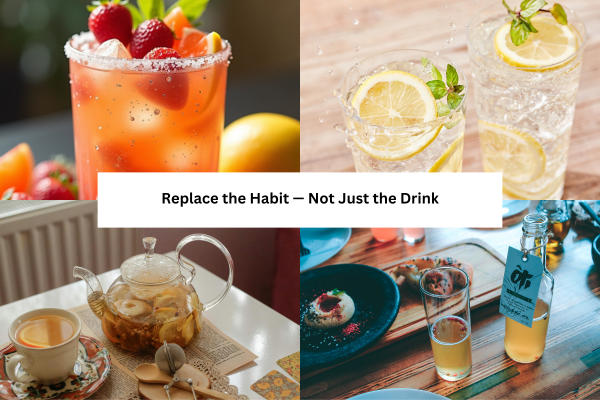
If alcohol has become part of a daily routine, simply removing it can leave an uncomfortable gap. Creating new habits to fill that space can make the transition easier.
Some helpful alternatives include:
- Non-alcoholic beers or mocktails
- Sparkling water with citrus or herbs
- Herbal teas for evening relaxation
- Kombucha or flavored seltzers
The goal is to give yourself something enjoyable while building healthier, more mindful rituals.
Avoid Trigger Situations Early On
The first week or two can be the hardest. During this period, it may help to temporarily avoid places or situations where drinking is common.
You might choose to:
- Host gatherings instead of going out
- Suggest coffee shops instead of bars
- Plan daytime activities and meetups
- Limit environments that strongly associate with alcohol
As you build confidence and momentum, it becomes easier to navigate social settings without drinking.
Tell People You’re Participating
Letting friends, family, or coworkers know about your Dry January commitment can offer both accountability and support. Many people find they are:
- Offered fewer drinks
- Encouraged by others
- Surprised by how many want to join them
You never need to justify your choice, a simple “I’m taking a break from alcohol this month” is enough.
Track Your Progress
Seeing progress visually can be extremely motivating. Consider using:
- A Dry January app
- A habit-tracking calendar
- A journal to log sleep, mood, and energy
These tools highlight improvements and help reinforce your commitment as the month goes on.
Move Your Body Regularly
As alcohol leaves your system, you may notice an increase in energy. Physical activity can help channel that positively.
Helpful options include:
- Daily walks
- Simple at-home workouts
- Yoga or stretching routines
- Community fitness classes
Movement supports stress relief, improves sleep, and enhances overall well-being, all of which make staying alcohol-free easier.
Build a Relaxing Nighttime Routine
If alcohol has been used as a way to unwind, building new calming routines can make evenings feel easier and more comfortable.
Try experimenting with:
- Gentle stretching
- Warm showers
- Reading
- Calming music
- Meditation or breathing apps
Over time, your body learns to associate these habits with relaxation.
Expect Temporary Discomfort
Some people experience mild withdrawal symptoms in the first few days, especially if they typically drink regularly. These may include:
- Trouble falling asleep
- Irritability
- Cravings
- Vivid dreams
- Restlessness
These effects usually fade quickly. Still, it’s important to note:
People who drink heavily or daily should seek medical advice before attempting Dry January, as stopping abruptly can be dangerous.
For anyone uncertain, professional support is available.
Celebrate Your Wins Along the Way
Throughout the month, focus on the benefits you’re gaining rather than the alcohol you’re avoiding. Many people notice:
- Better mornings
- More energy
- Clearer skin
- Improved mood
- Extra money saved
Rewarding yourself with healthy, enjoyable treats, a new book, a class, or a relaxing day out, can reinforce the positive changes and keep you motivated.
Final Thoughts
Dry January is about more than following a trend. It’s an opportunity to give your body and mind a meaningful reset, reevaluate your relationship with alcohol, and experience how life feels without it. With clear motivation, supportive habits, and a willingness to reflect, this monthlong break can become a powerful turning point. And for many, it is the first step toward long-term change and healthier patterns that last well beyond January.
If at any point the process feels difficult, overwhelming, or raises concerns about dependency, reaching out for professional help is a strong and empowering next step. No one has to navigate these challenges alone, and support is always available.
References
| ↑1 | Ballard, Jackie. “What is dry January?.” The British Journal of General Practice 66.642 (2016): 32. |
|---|---|
| ↑2, ↑3 | Yeomans, Henry. “New Year, New You: a qualitative study of Dry January, self-formation and positive regulation.” Drugs: education, prevention and policy 26.6 (2019): 460-468. |