If you or a loved one are experiencing addiction withdrawal, finding ways to cope with the physical and emotional challenges can feel overwhelming. Everyone’s experience of withdrawal is different, and medical professionals can offer advice and guidance. Withdrawal can bring discomfort, anxiety, changes in mood, sleep difficulties, and powerful cravings, and everyday tasks may seem harder than usual.
The most helpful approach will depend on the substance involved, the severity of symptoms, and the support available. During this time, small, manageable activities can offer comfort, structure, and a sense of progress. Activities are not a replacement for medical care, but they can complement a professional treatment plan and help make difficult days feel more manageable.
In this article, we take a look at five activities that may help you or someone you care about with addiction withdrawal.
1. Take Gentle Walks or Exercise
Physical activity and exercise can have many benefits. It can be a helpful way to manage stress, introduce structure into the day, support general well-being, including mood[1] and improved sleep. Research suggests[2] that good options for substance abuse recovery include aerobic exercise, strength training, running, walking, mind–body exercises, and outdoor adventure sports.
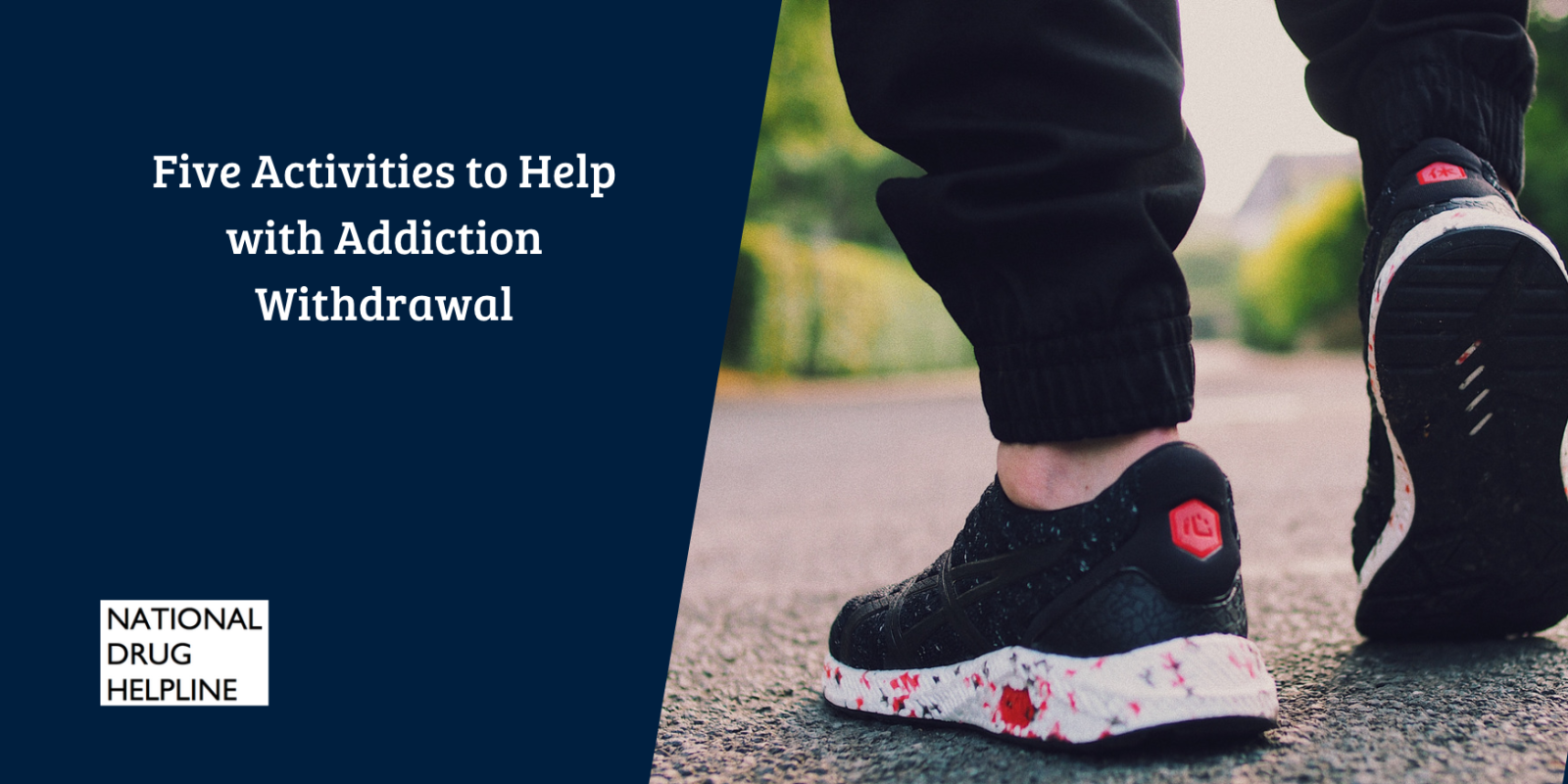
Withdrawal can leave someone feeling exhausted, restless, or physically unwell, so it is important to start slowly, and walking is a particularly good option. Even walking around the garden or spending a few minutes outdoors can be enough. The aim is to find an activity that feels manageable rather than pressured.
If you are helping a loved one, you could offer to accompany them on a short walk and offer gentle encouragement. If an individual experiences any concerning symptoms, such as dehydration, dizziness, or other medical complications, seek professional guidance before attempting exercise.
2. Mindfulness and Relaxation
Withdrawal can be emotionally demanding. Feelings of anxiety, irritability, frustration, and uneasiness may make it difficult to relax or concentrate. Mindfulness and relaxation exercises offer a simple way to pause and focus on the present moment; speak to your medical professional to see if there is any support or information on how to get started.
You might try slow, comfortable breathing, a guided meditation, or a brief body-scan exercise. Sitting somewhere quiet and noticing the sounds around you can also provide a few moments of calm. These activities do not need to be complicated, and even a short session may feel more achievable than trying to complete a lengthy meditation. You might prefer just listening to calming music or sitting outdoors which may feel more natural.
3. Create a Simple Daily Routine
When someone is experiencing addiction withdrawal, changes in sleep, energy, appetite, and mood can make it difficult to maintain a sense of normality. But creating a gentle daily routine to follow can help bring some structure during withdrawal.
Start simply, with a consistent time for waking and sleeping, regular meals, showering, and setting aside time to rest or for helpful activities. Include any regular appointments you have, and it may also help to plan one enjoyable activity each day, even if it is something small.
Some flexibility in your routine will allow room for rest when symptoms feel particularly challenging. If you are supporting a friend or family member, you could offer to help them plan their day or to help them stick to it. They might appreciate practical support such as having meals prepared in advance.
4. Explore Creative Activities and Hobbies
Creative activities can be enjoyable, distracting from withdrawal symptoms, and offer a way to express emotions. You could try activities such as drawing, painting, gardening, cooking, knitting, journaling, or simply a puzzle. Learning a new skill can be beneficial, with no need to produce something perfect.
Journaling may be especially helpful for some people. Writing down your thoughts, emotions, and achievements can be rewarding. Remember that concentration and motivation may fluctuate during withdrawal. If an activity becomes frustrating, it is perfectly reasonable to take a break and try another day again.
If you are helping a family member or friend, consider suggesting an activity you can enjoy together. Teaching them a simple craft, tending to plants, or working on a jigsaw puzzle together can provide companionship and gentle conversation.
5. Stay Connected with Supportive People
Support groups can provide opportunities to connect with people who understand the challenges associated with addiction and withdrawal. Some people find comfort in sharing experiences, hearing how others cope, and learning that difficult feelings are not unusual. Or you may prefer speaking to a counselor or therapist.
Spending time with trusted friends or family members who are supportive can help reduce feelings of loneliness, provide comfort, and foster positive connections. Try simple social activities, like a phone call, a short visit, a shared meal, or watching a film together. Let them know you are available, while encouraging them to seek professional support when needed.
When to Seek Professional Help for Addiction Withdrawal
While these five activities may offer comfort and encouragement, they cannot replace appropriate medical care. Withdrawal symptoms vary depending on the substance used, the duration of use, and a person’s overall health. Individuals should always seek medical advice before attempting withdrawal.
A healthcare professional can help determine the safest approach, discuss treatment options, medications where appropriate, counseling, and ongoing recovery support. Seeking help is a positive step toward protecting your health.
Seek emergency medical assistance if an individual experiences seizures, hallucinations, severe confusion, difficulty breathing, or becomes difficult to wake.
Final Thoughts: Five Activities to Help with Addiction Withdrawal
For those who are experiencing addiction withdrawal, these five activities may offer additional comfort and encouragement, alongside appropriate medical care, compassionate support, and a treatment plan suited to individual needs. And remember that progress takes time.
Focus on small, realistic steps and allow time for rest and adjustment. By including gentle exercise, mindfulness and relaxation, a simple routine, creative hobbies, and supportive relationships into your daily life, they may help make difficult days feel more manageable.
References
| ↑1 | Linke, S. E., & Ussher, M. (2015). Exercise-based treatments for substance use disorders: Evidence, theory, and practicality. The American Journal of Drug and Alcohol Abuse, 41(1), 7–15. https://doi.org/10.3109/00952990.2014.976708 |
|---|---|
| ↑2 | Theodorakis, Y., Hassandra, M., & Panagiotounis, F. (2024). Enhancing substance use disorder recovery through integrated physical activity and behavioral interventions: A comprehensive approach to treatment and prevention. Brain Sciences, 14(6), 534. https://doi.org/10.3390/brainsci14060534 |