
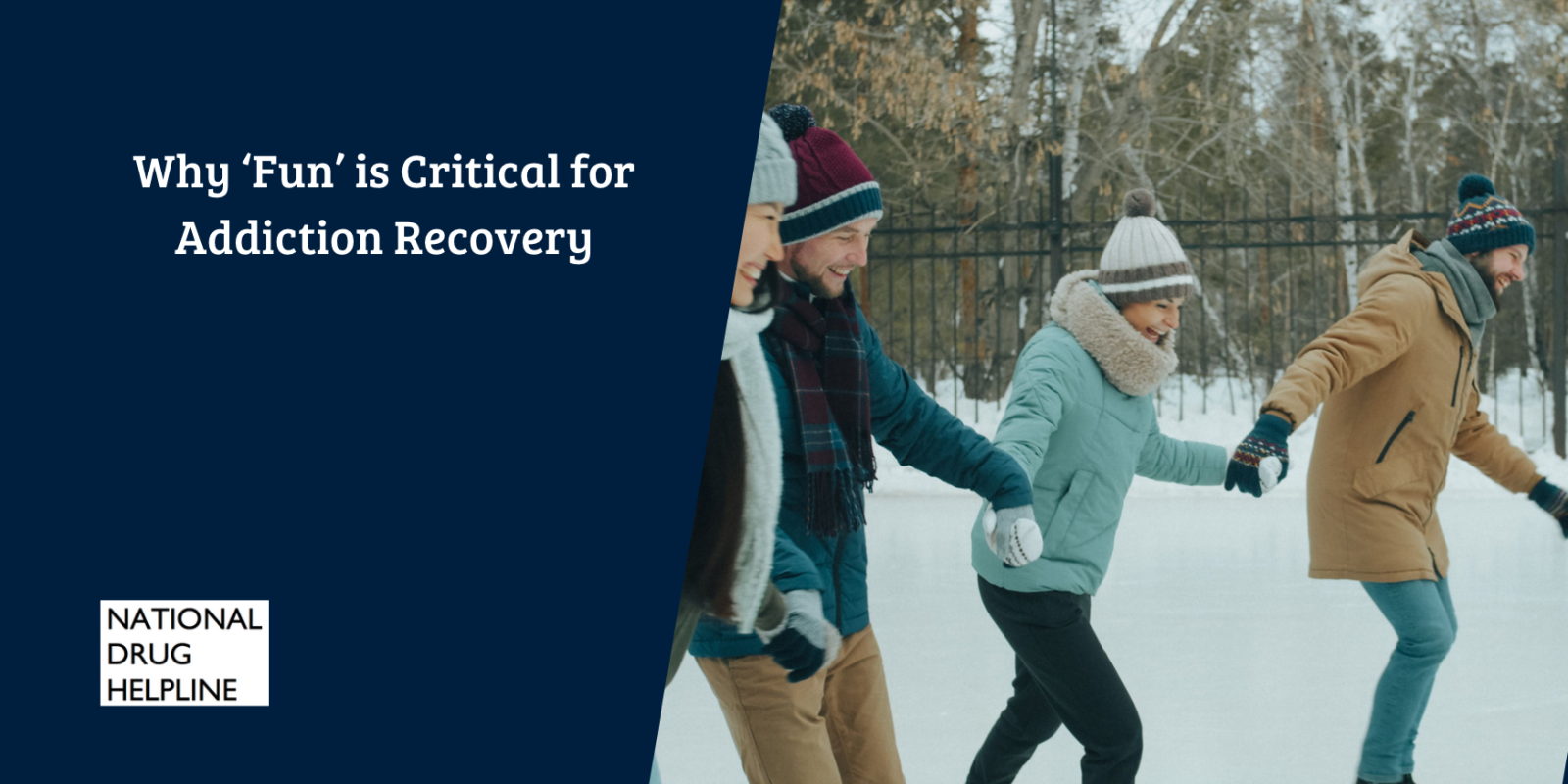
Addiction recovery is often associated with challenges, can involve difficult emotions, and looks different for each individual. It can involve professional treatment, support groups, healthy routines, and relapse prevention, depending on your stage of recovery. And these can all play important roles in the process, yet there is another element that deserves attention – fun!
Enjoyment might not seem like the first thing you think of when it comes to addiction recovery and rebuilding everyday life. Addiction can change the way pleasure is experienced, which can make it difficult to enjoy activities in recovery. Hobbies may seem less appealing, and social situations can become uncomfortable. For some in addiction recovery, there may have been a loss of some of the activities enjoyed in the past.
In this article, we take a look at how ‘fun’ is important for addiction recovery and how you can make room for enjoyable experiences to help support the recovery process.
The Connection Between Fun and Recovery
For some people in addiction recovery, when substance use stops, everyday life can initially feel different. But adjusting to life in recovery takes time, and enjoyment may return gradually. And exploring healthy ways to experience pleasure can be a valuable part of rebuilding daily routines and establishing new patterns.
As discussed in a recent article[1], recreation can offer more than a welcome distraction. It can also provide opportunities to manage stress, develop emotional resilience, and rediscover a sense of identity.
Fun is not a substitute for professional treatment or other appropriate recovery support. Instead, it can complement these resources by making everyday life more satisfying. Recovery need not be defined solely by what a person has left behind; it can also be shaped by the positive experiences they gradually discover.
How Enjoyment Can Support Emotional Well-Being
For those in addiction recovery, they may have a variety of support from healthcare professionals, counselling, support groups, and supportive family or friends. A key aspect of recovery is rebuilding life, for example, having a consistent daily routine. This can start with simple aspects such as waking and meal times, but incorporating fun can help with wellbeing, resilience and self-confidence.
Finding Healthier Ways to Manage Stress
Stress can make recovery more challenging; everyday pressures, relationship difficulties, financial concerns, and loneliness can all contribute to emotional strain. But enjoyable activities can provide a constructive break from these pressures.
Healthy ways to introduce fun into your new routines can include listening to music, spending time outdoors, gardening, cooking, or playing a favorite sport, which can all offer opportunities to relax.
Of course, these activities will not eliminate every source of stress, but they can broaden the range of available coping strategies. Developing different ways to relax and recharge may make difficult moments easier to navigate. Enjoyable experiences can also provide something positive to look forward to during demanding periods.
Rebuilding Confidence and Identity
Reconnecting with old interests or exploring new ones can help restore a sense of identity. Some examples of ways to rebuild confidence include learning to play an instrument, joining a recreational sports club, or taking a class, which can create opportunities to develop skills and experience a sense of achievement, such as cooking classes.
The aim is to enjoy the process rather than excelling. The value lies in exploring, learning, and discovering what feels enjoyable. Celebrating small steps of progress can help rebuild confidence and give a sense of identity.
Strengthening Relationships
Shared activities offer a natural way to connect with supportive friends and family without making every interaction about recovery. A walk with a friend, a family game night, a community class, for example, can create opportunities for conversation, laughter, and belonging.
Supportive relationships can be an important source of encouragement and stability in addiction recovery. Social situations can initially feel overwhelming, and so smaller gatherings, in familiar settings, with a planned activity may provide a more comfortable starting point. But everyone’s recovery journey is different.
Finding Fun When Enjoyment Feels Difficult
For some, early recovery can involve low motivation, emotional discomfort, or difficulty feeling pleasure, and other mental health concerns may also affect how enjoyable activities feel. It’s important to take your time and understand that recovery does not follow the same timetable for everyone.
A gentle, practical approach can make recreation feel more manageable. Consider trying a short walk, a favorite meal, or a few minutes of music. Or consider taking up an old hobby, or if you prefer, try something completely new! The goal is not to fill every hour with entertainment but to create opportunities for fun, rest, and connection alongside other aspects of recovery.
Making Fun Part of a Recovery Plan
Treatment, peer support, healthy routines, adequate rest, and appropriate mental health care can all contribute to recovery. And recreational activities can complement these by helping everyday life feel more balanced. Fun can be most helpful when it forms part of a wider approach to well-being, and recovery planning should reflect individual circumstances, preferences, and support needs.
It is worth considering a range of types of activities. Physical activities can provide fitness and time in nature; creative hobbies can encourage self-expression and relaxation, while social activities can strengthen relationships. Quieter activities like reading or puzzles can provide an opportunity to rest.
Final Thoughts: Why ‘Fun’ is Critical for Addiction Recovery
Addiction recovery can come with challenges, and there can be difficult periods that may occur along the way. While professional health care and support groups, for example, are important for addiction recovery, it is important to rebuild your life as well. This can include having a routine, spending time with supportive loved ones, and finding ways to enjoy life again.
‘Fun’ in addiction recovery should be approached in a way that supports individual needs and recovery goals; it can contribute to a more balanced daily life, encourage healthy connections, and create room for a renewed sense of possibility. And sometimes, progress begins with one small activity or a single moment that feels a little lighter than the day before.
References
| ↑1 | Beswick, D. (2026) ‘The Science of Fun: How Play Helps Prevent Relapse’. Recovery Lighthouse, 9 April. https://www.recoverylighthouse.com/blog/recovery/the-science-of-fun-how-play-helps-prevent-relapse/ |
|---|