Molly is a synthetic popular party drug frequently encountered in clubs. Also known as MDMA or ecstasy, many people view it as a “fun” recreational substance. However, few realize that regular Molly use can have serious physical, psychological, and emotional consequences.
Therefore, it is important to be able to recognize early on the signs of molly use. Knowing the available options for molly addiction treatment is crucial for anyone struggling with dependence.
Understanding Molly and Its Risks
Molly works by increasing levels of serotonin, dopamine, and norepinephrine in the brain, producing feelings of euphoria, emotional closeness, and heightened sensory perception. [1] However, repeated and frequent use can lead to addiction to molly, tolerance, and withdrawal symptoms. [2] With time, it may lead to mental health disorders such as anxiety, depression, memory problems, and severe fatigue.
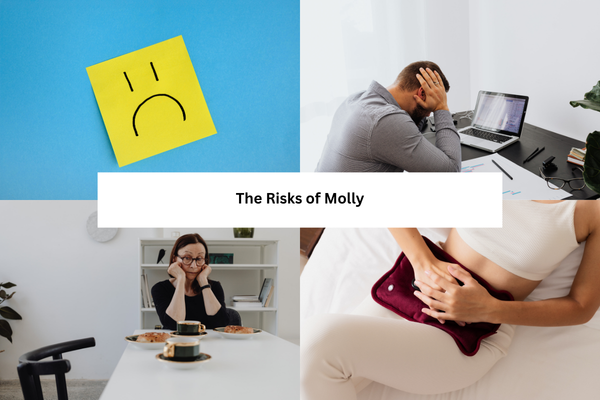
Some of the common signs of molly use include:
- Unexplained mood swings or anxiety
- Insomnia or irregular sleep patterns
- Loss of appetite
- Physical symptoms such as jaw clenching, muscle cramping, or overheating
The first step towards seeking help is to recognize the early signs and access effective treatment in time.
Why Treatment is Important
Molly drug addiction can have long-lasting effects on both physical and mental health. Without timely intervention, prolonged and continued use of Molly can have devastating effects on cognitive health and emotional stability. It may even lead to risky behaviours that affect both personal and professional lives. A structured treatment approach that addresses both the psychological and physical aspects of addiction is essential for recovery.
Best Molly Addiction Treatment Options
Molly addiction treatment usually requires a combination approach. This includes behavioral therapy, medical support, and ongoing recovery resources. Some of the most effective options for Molly addiction include:
Inpatient or Residential Rehab
Inpatient rehab programmes give patients a controlled environment to focus entirely on recovery. These facilities provide 24/7 medical supervision, structured schedules, and access to multiple forms of therapy.
Some key benefits of inpatient rehab for managing Molly drug addiction include:
- Taking away places that make people want to use drugs
- Lots of counseling and therapy sessions
- Help from doctors who know a lot about substance abuse
- Help from friends who are going through the same problems
For people with severe addiction to Molly, inpatient rehab is recommended. It can also be suitable for those who have a history of relapsing multiple times.
Outpatient Treatment Programs
Unlike inpatient programs, outpatient programs are more flexible and allow treatment while living at home and simultaneously attending therapy and counseling sessions. These programs can also be tailored to each person’s individual needs.
Outpatient treatment is suitable for:
- People who are mildly to moderately addicted to Molly
- People who have a lot of family or social support
- People who can’t take long breaks from work or school
These programs typically include individual counselling, group therapy, education about coping strategies, and relapse prevention.
Cognitive Behavioral Therapy (CBT)
One of the most widely used and clinically studied therapies for substance abuse is Cognitive Behavioral Therapy (CBT). [3] It works by helping people with substance abuse identify the thoughts, behaviors, and situations that trigger them to use drugs and help them develop healthier coping mechanisms.
Some of the key benefits of CBT for Molly addiction include:
- Understanding the root causes of substance use
- Learning to manage cravings and triggers
- Reducing the risk of relapse
- Improving emotional regulation and problem-solving skills
In both inpatient and outpatient settings, CBT can be the primary therapy method. It is often used in combination with other therapies for a comprehensive treatment approach.
Motivational Enhancement Therapy (MET)
Motivational Enhancement Therapy (MET) works by helping people become self-aware and seek out personal motivation to quit drugs. It involves going through structured sessions, in which therapists work with patients to set goals and help strengthen commitment to recovery.
This form of therapy can be particularly beneficial for people who have ambivalent feelings about seeking treatment for Molly addiction.
Support Groups and Peer Counseling
Certain support groups, such as Narcotics Anonymous (NA) or SMART Recovery are important for long-term recovery. This is because they allow you to connect with others who are going through the same thing. You can feel understood and less alone by sharing your experiences with other Molly addicts.
Some of the benefits of peer support are
- Responsibility in recovery
- Support and encouragement for your feelings
- Giving useful advice on how to deal with cravings
- Ways to make sober friends
Medical Detox
Molly usually does not cause severe physical withdrawal symptoms like opioids or alcohol do. But some people may feel anxious, depressed, and tired when they stop using it. During this time, medical detox can provide supervision and support to make sure you are safe and comfortable.
A detox program could include:
- Keeping an eye out for mental health issues
- Nutritional aid and hydration
- Ways to deal with stress
- Referral to rehab or therapy programmes that are still going on
Holistic and Alternative Therapies
A lot of treatment programs use holistic methods to help people feel better mentally, physically, and emotionally. Some of these are
- Mindfulness and meditation practices
- Yoga and fitness classes
- Advice on nutrition
- Therapy through art and music
Holistic therapies can help people get better by dealing with the stress, anxiety, and depression that often come with being addicted to Molly.
Continuing Care and Relapse Prevention
Getting over an addiction to Molly is a long process. Care after rehab or therapy is still very important. Plans to prevent relapse often include:
- Therapy sessions on a regular basis
- Joining support groups
- Creating healthy daily habits
- Finding triggers and ways to deal with them
Having a good aftercare plan greatly increases the chances of staying sober for a long time.
Conclusion
Anyone can become affected by Molly addiction. Recovery from Molly addiction requires a combination approach, including professional help, personal commitment, and ongoing support from loved ones. Treatment approaches can range from inpatient rehab to outpatient therapy, Cognitive Behavioral Therapy, and Motivational Enhancement Therapy. Only by recognising the signs of Molly use early on and reaching out for help can you regain control over your life and health.
References
| ↑1 | Shulgin, Alexander T. “The background and chemistry of MDMA.” Journal of psychoactive drugs 18.4 (1986): 291-304. |
|---|---|
| ↑2 | Degenhardt, Louisa, Raimondo Bruno, and Libby Topp. “Is ecstasy a drug of dependence?.” Drug and alcohol dependence 107.1 (2010): 1-10. |
| ↑3 | Alghamdi, Alya Attiah. “Cognitive behavioral therapy treatment for drug addiction.” Journal of Addiction Therapy and Research 7.1 (2023): 005-007. |